

From tranquil backwaters and mist-covered tea plantations to wildlife reserves and beaches fringed with palm trees, Kerala is one of India’s most rewarding destinations.
Tucked away on India’s south-west coast, this narrow strip of land packs an incredible variety of landscapes into a surprisingly small area.
*This site uses affiliate links and I may earn a small commission when you use my links and make a purchase without incurring an additional fee yourself.
Thank you for supporting this website. See my disclaimer page for more details.
One day you can be wandering through colonial streets lined with colourful cafés, the next cruising along peaceful canals on a traditional houseboat before finishing your trip watching the sunset over the Arabian Sea.
Known as God’s Own Country, Kerala has long been one of India’s most popular destinations, and it’s easy to understand why. The pace of life is slower than elsewhere in India, the scenery is lush and tropical, the pristine beaches, the food is exceptional, and the people are incredibly welcoming.
Whether you’re planning your first trip to India or returning to explore more deeply, Kerala offers the perfect balance of adventure, culture and relaxation.
If you’re wondering where to visit in Kerala, these are the destinations and tourist attractions that deserve a place on your Kerala itinerary.
Kerala Quick Facts
Best for: Nature lovers, couples, foodies, wildlife enthusiasts and slow travellers
Ideal trip length: 10–14 days
Don’t miss: A night on a houseboat, Munnar’s tea plantations, Kathakali dancing, spice gardens and an Ayurvedic massage; Periyar Tiger Reserve or Wayanad Wildlife Sanctuary
Best way to travel: Hire a private driver or combine trains with taxis
My favourite experience: Travelling through the backwaters at dawn as everything was just waking up.
Kochi (Cochin): Kerala’s Historic Gateway
For most visitors, Kochi is where their Kerala adventure begins. This fascinating port city has welcomed traders from around the world for centuries, resulting in a unique blend of Indian, Portuguese, Dutch and British influences.
The heart of the city is Fort Kochi, where narrow streets are lined with colonial architecture, heritage buildings, boutique hotels, art galleries and cafés. It’s a wonderful place to simply wander without an agenda.

Watching a traditional Kathakali performance in Kochi was unlike anything I’d experienced before. Arrive early to watch as the players transform themselves with brightly coloured body paint into the amazing characters. Explanations are given in English so you can follow what is happening.

Don’t miss the famous Chinese fishing nets that have become synonymous with Kochi. These enormous cantilevered nets have been used for centuries and are particularly photogenic at sunrise and sunset.
Other highlights include:

- St Francis Church, the oldest European church in India, and the first burial place of Vasco da Gama before being moved to Lisbon in 1539
- Mattancherry Palace (Dutch Palace)
- Jew Town and the historic Paradesi Synagogue
- Contemporary art galleries selling artwork to take home with you
- Take a boat ride around the harbour to get a different perspective
- For something different, head out of Kochi to experience Kerala Village Life, and watch as the traditional boats come in with their catch, sample the street food or a toddy and enjoy the local culture.
Kochi is also one of the best places in Kerala to sample local Indian cuisine, from fresh seafood to traditional vegetarian dishes served on a banana leaf.
Where to stay: CGH Brunton Boatyard – Colonial style hotel within walking distance of Fort Kochi.
Munnar: Rolling Tea Plantations and Mountain Views
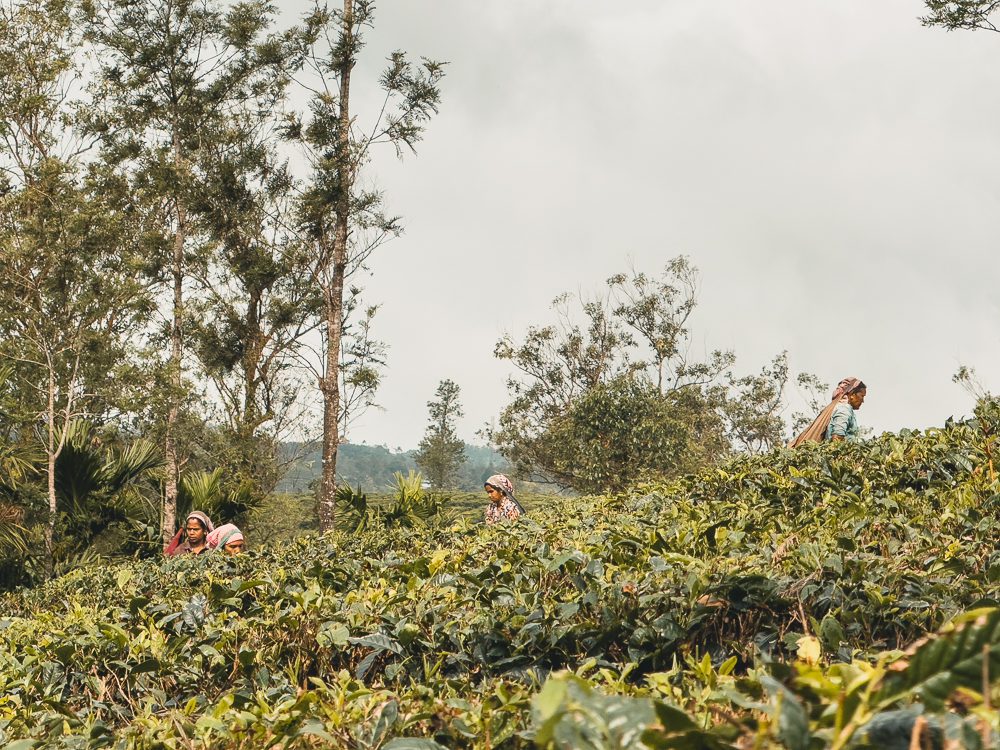
Around four hours inland from Kochi lies one of Kerala’s most beautiful landscapes. One of the hill stations in Kerala, Munnar sits high in the Western Ghats and is surrounded by endless emerald-green tea plantations stretching across the hills.
The cooler temperatures make it a welcome escape from Kerala’s tropical climate on the coast, while the winding roads offer spectacular viewpoints around every corner.
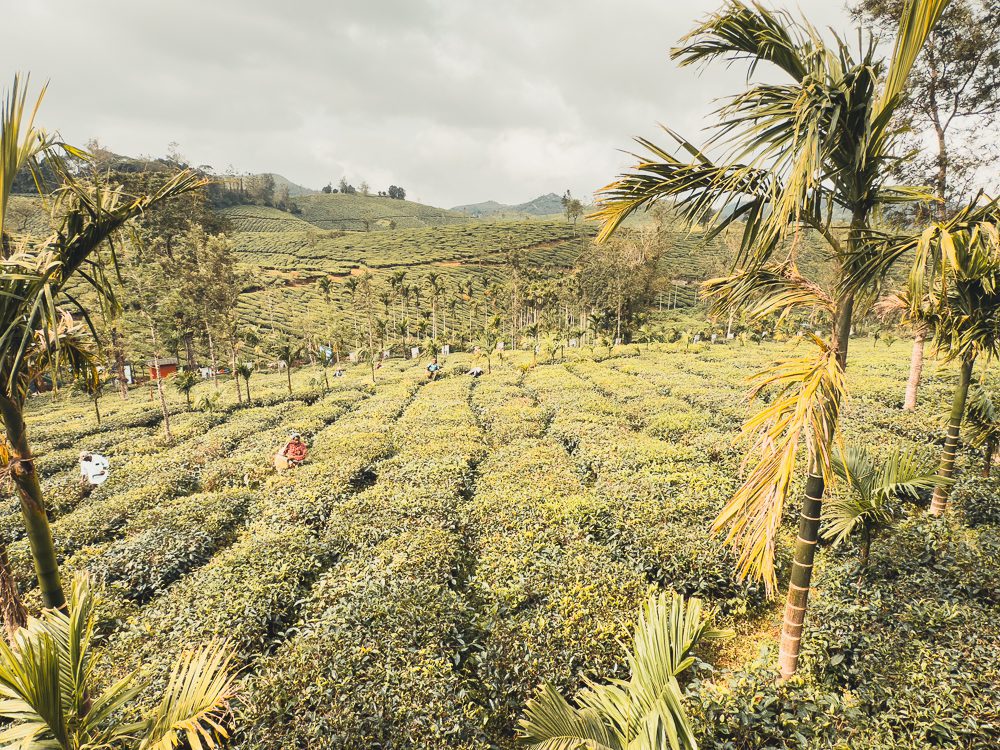
A visit to Munnar isn’t complete without touring a tea plantation and learning how the region became one of India’s largest tea-producing areas. The Tea Museum offers an excellent introduction to the history of tea production, while many estates welcome visitors for guided walks.
Other attractions include:
- Eravikulam National Park
- Top Station viewpoint
- Echo Point
- Mattupetty Dam
- Scenic waterfalls
- Spice plantations
Photographers will find no shortage of opportunities, especially in the early morning when mist drifts through the valleys.
Alleppey (Alappuzha): Experience Kerala’s Famous Backwaters
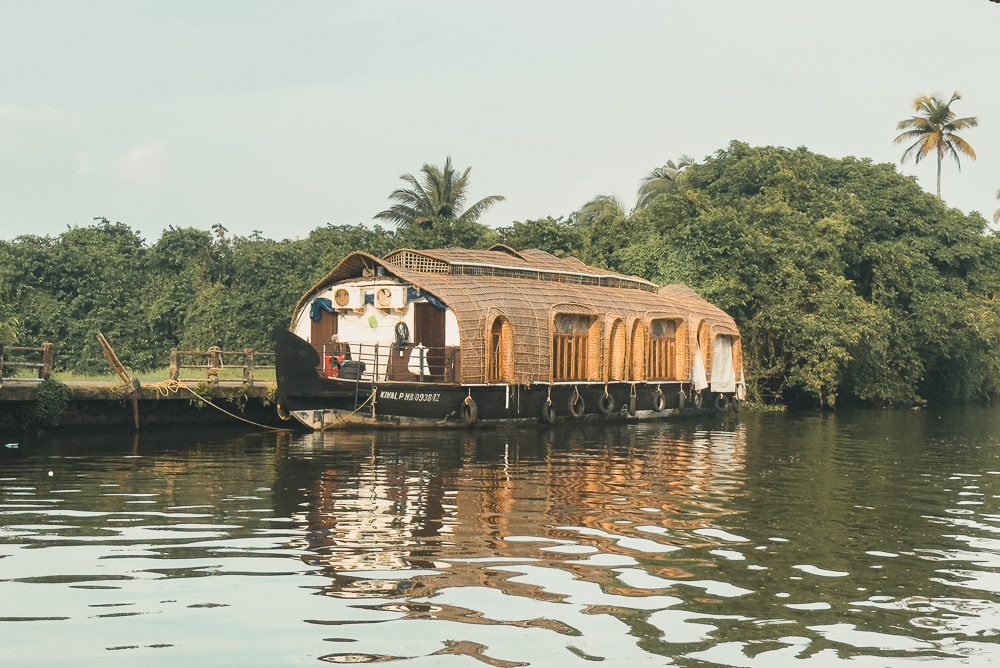
If there’s one experience that defines Kerala, it’s exploring the serene backwaters of Alleppey.
Alleppey is the best-known starting point for houseboat cruises through a maze of canals, rivers and lakes that weave through villages, palm trees and coconut groves.
No Kerala trip would be complete without spending a night aboard a traditional kettuvallam (houseboat) allows you to experience rural Kerala at a wonderfully relaxed pace. As you drift quietly through the waterways you’ll pass fishermen casting their nets, children travelling to school by boat and locals washing clothes along the riverbanks.
The scenery changes constantly, yet life seems to move at a wonderfully gentle rhythm.
Whether you choose a luxury houseboat or a more modest option, it’s an unforgettable experience and one of Kerala’s true highlights.
Kumarakom: Luxury on the Backwaters

If you’re looking for a quieter alternative to Alleppey, Kumarakom is an excellent choice.
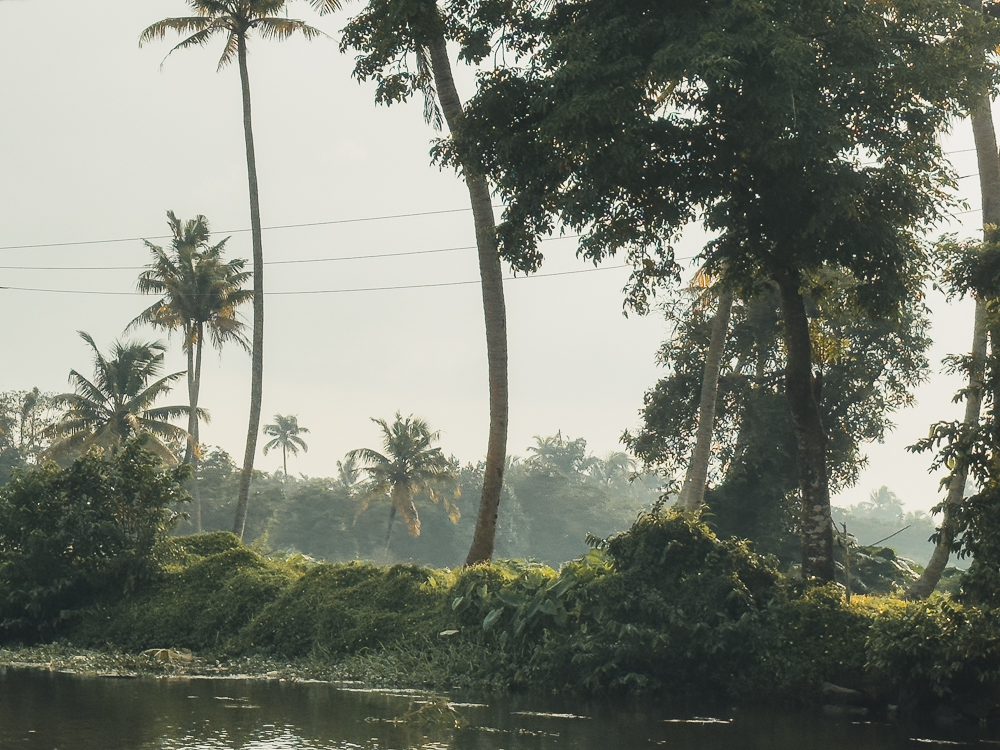
Situated on the shores of Vembanad Lake, this peaceful village is known for its luxury resorts, boutique hotels and Ayurvedic retreats.
Try Coconut Lagoon by CGH Earth a serene eco-heritage resort located on Vembanad Lake. You are picked up from the dock, and a boat takes you and your luggage up through the canals to resort. Sleep in restored 150-year-old traditional Kerala homes (tharavads), wander around the grounds and have your afternoon chai brought to you by canoe!
The atmosphere is more tranquil, making it ideal for couples or anyone seeking a slower pace.
Highlights include:
- Kumarakom Bird Sanctuary
- Canoe trips through narrow canals
- Sunset cruises on the Lake
- Traditional village life
- Luxury spa resorts
Many visitors spend two or three nights here simply relaxing between sightseeing.
Thekkady: Wildlife and Spice Gardens
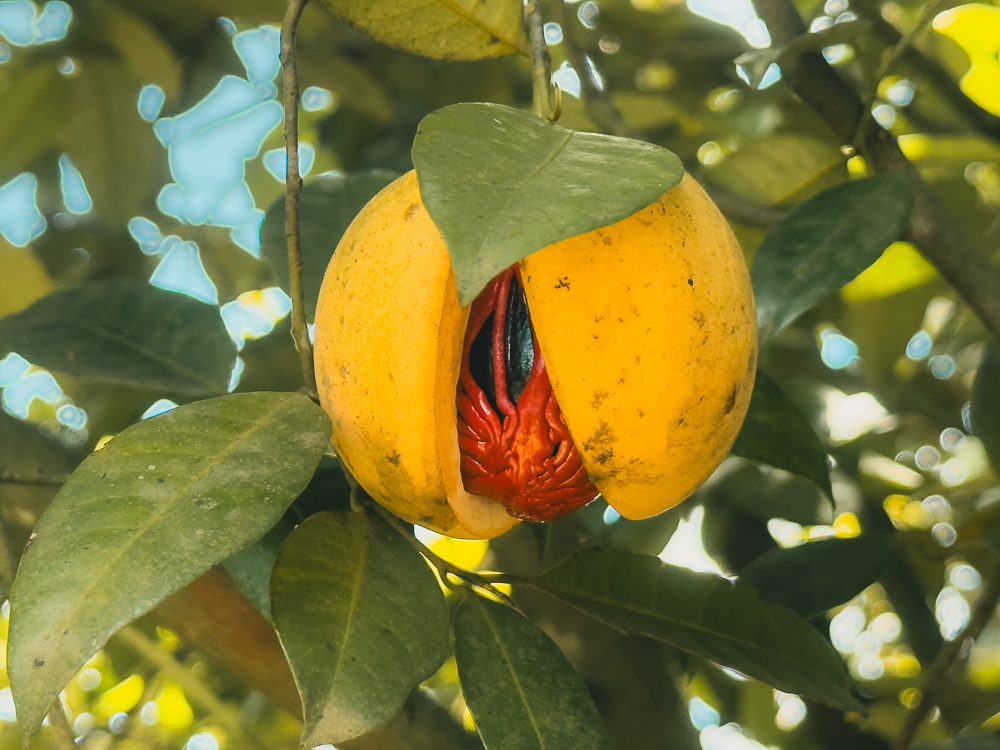
The hills around Thekkady are home to Periyar Wildlife Sanctuary, one of southern India’s best-known wildlife reserves.
Although tiger sightings are rare, visitors regularly spot elephants, deer, wild boar, giant squirrels and numerous bird species including migratory birds.

Boat safaris across Periyar Lake are popular, a relaxing way to see the wildlife without getting too close. However, guided nature walks often provide a more immersive experience.
Thekkady is equally famous for its spice plantations. Guided tours explain how cardamom, pepper, cinnamon, cloves, nutmeg and vanilla are grown before ending with opportunities to purchase freshly harvested spices.
If you’re interested in Kerala’s culinary traditions, this is one of the best places to learn where those distinctive flavours originate.
Where to stay: CGH Spice Village – perfect for visiting Periyar and the spice plantations
Wayanad: Kerala’s Hidden Gem

For travellers wanting to venture beyond the classic tourist route, Wayanad offers spectacular scenery and fewer crowds.
This mountainous district is filled with forests, waterfalls, coffee plantations and wildlife reserves.
Popular attractions include:
- Edakkal Caves
- Soochipara Falls
- Banasura Sagar Dam
- Chembra Peak
- Wildlife sanctuaries
Wayanad is perfect for those who enjoy gentle hikes, nature and staying in eco-lodges or plantation homestays.
Where to stay: CGH Wayanad Wild – tucked away in the jungle
Varkala: Clifftop Views and Relaxed Beaches

Unlike most beaches in Kerala, Varkala is famous for its dramatic cliffs overlooking the Arabian Sea.
A walkway along the clifftop is lined with cafés, restaurants and small shops, creating a relaxed atmosphere that attracts visitors from around the world.
Spend your days swimming, enjoying fresh seafood or watching spectacular sunsets from one of the many cliffside cafés.
Varkala is also known for yoga retreats, Ayurvedic treatments and its spiritual significance, with pilgrims visiting Papanasam Beach and the nearby Janardana Swami Temple.
Kovalam: Kerala’s Classic Beach Resort

Just south of Thiruvananthapuram lies Kovalam, Kerala’s best-known beach destination.
Its crescent-shaped beaches have attracted visitors for decades, offering calm waters, water sports and a wide range of accommodation.
Lighthouse Beach is the most famous, while quieter stretches nearby provide opportunities for peaceful walks.
Many visitors also combine a beach stay with traditional Ayurvedic treatments at one of the area’s specialist wellness centres.
Thrissur: Kerala’s Cultural Capital

Often overlooked by international visitors, Thrissur is considered the cultural heart of Kerala.
The city is home to impressive temples, museums and traditional performing arts.
If your visit coincides with the spectacular Thrissur Pooram festival, you’ll witness one of India’s most colourful celebrations, featuring decorated elephants, percussion orchestras and elaborate fireworks.
Even outside festival season, Thrissur offers fascinating insight into Kerala’s rich traditions.
Experience Authentic Ayurveda
Kerala is regarded as the birthplace of Ayurveda, India’s ancient holistic system of medicine and wellbeing.
Across the state, you’ll find everything from simple massage centres to luxurious wellness retreats offering multi-day programmes.
Whether you’re looking for a relaxing massage after sightseeing or a longer wellness retreat, Kerala provides some of the world’s finest Ayurvedic experiences.
How to Get to Kerala
Despite being tucked away on India’s south-west coast, Kerala is surprisingly easy to reach from the UK and many other international destinations.
Flying to Kerala
Kerala has four international airports, making it one of the easiest states in India to access by air:
- Cochin International Airport (COK) – the busiest airport and the main gateway for visitors exploring central Kerala, including Kochi, Munnar, Thekkady and the backwaters.
- Trivandrum International Airport (TRV) – ideal for visiting the southern beaches of Kovalam and Varkala, as well as the state capital, Thiruvananthapuram.
- Calicut International Airport (CCJ) – a convenient choice for northern Kerala and destinations such as Wayanad.
- Kannur International Airport (CNN) – the newest airport, serving the less-visited northern region of the state.
There are no direct flights from the UK to Kerala, but several airlines offer one-stop services via hubs in the Middle East or India.
Common routes include connections through Dubai, Abu Dhabi, Doha and Mumbai, with airlines such as Emirates, Etihad, Qatar Airways, Air India and IndiGo. Depending on your connection, the journey usually takes between 12 and 16 hours, but can take upto 30 hours.
Travelling Within India
If you’re already travelling in India, Kerala is well connected by domestic flights from major cities including Delhi, Mumbai, Bengaluru, Chennai and Hyderabad. Flying is often the quickest option if you’re covering longer distances.
India’s extensive railway network also links Kerala with the rest of the country. Overnight trains are a popular and affordable way to travel, offering the chance to experience another side of Indian life. While journeys can be long, they’re comfortable if you book an air-conditioned sleeper class in advance.
Getting Around Kerala
Once you arrive, travelling around Kerala is relatively straightforward. Many visitors hire a private driver for the duration of their trip, which offers flexibility and allows you to enjoy the scenery without worrying about navigating unfamiliar roads.
For independent travellers, Kerala also has great public transport. There is an excellent rail network connecting many of the major towns, while local buses provide inexpensive transport between small towns. It is a good idea to buy your bus or train ticket in advance, but a great way to see some of the small villages and the natural beauty of the state of Kerala and south india.
Taxis and ride-hailing apps are widely available in the larger cities, and ferries remain an important way of travelling through parts of the famous backwaters.
Whichever way you choose to travel, it’s worth allowing plenty of time between destinations. Distances may look short on a map, but winding mountain roads and slower traffic often mean journeys take longer than expected. Fortunately, the ever-changing scenery means the journey is all part of the experience.
How Long Should You Spend in Kerala?
A week allows you to experience several highlights, but ten to fourteen days gives you time to appreciate the state’s incredible diversity.
A classic itinerary might include:
- 2 nights in Kochi
- 2 nights in Munnar
- 2 nights in Thekkady
- 1 night on a houseboat in Alleppey
- 2 nights in Kumarakom or Varkala
If you have longer, consider adding Wayanad or Kovalam.
When is the Best Time to Visit Kerala?
The best time to visit Kerala is generally between October and March, when temperatures are more comfortable and humidity is lower. However, it is high season, and it can be busier.
April and May are hotter but often quieter, while the southwest monsoon season between June and September transforms the landscape into a lush green paradise. Although heavy rain can affect sightseeing, this is also considered one of the best times for Ayurvedic treatments.
Travel Tips for Visiting Kerala
Before you go, keep these practical tips in mind:
- Dress modestly when visiting temples many have strict dress codes and women must cover up.
- Remove your shoes before entering places of worship.
- Remember to pack mosquito repellent
- Carry cash for smaller shops and local markets.
- Try local specialities including appam, puttu, Kerala sadya and fresh seafood.
- Allow extra travel time, as roads through the hills can be twisty and slow.
- Consider hiring a private driver if visiting multiple destinations.
Final Thoughts
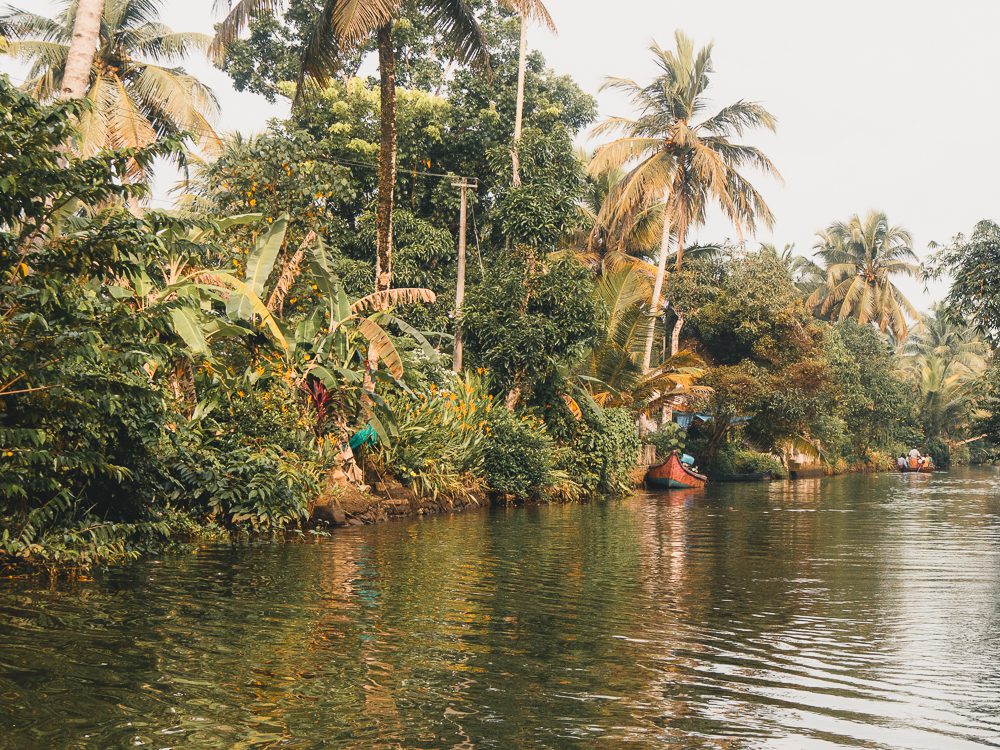
Kerala has a way of slowing you down.
Whether you’re watching the sun rise over misty tea plantations, drifting through peaceful backwaters or sharing a meal prepared with spices grown just a few miles away, you’ll quickly realise that this isn’t a destination to rush.
Each region offers something different, from history and culture to wildlife, beaches and wellness, making Kerala one of India’s most rewarding places to explore.
If it’s your first visit to India, Kerala provides a gentle introduction. If you’ve travelled extensively around the country, you’ll discover a side of India that feels refreshingly different.
No matter how long you stay, chances are you’ll already be planning your return before you’ve even left.
Kerala at a Glance
| Location | South-west coast of India, bordering the Arabian Sea |
| Capital | Thiruvananthapuram (formerly Trivandrum) |
| Known As | God’s Own Country |
| Official Language | Malayalam (English is widely spoken in tourist areas) |
| Currency | Indian Rupee (INR) |
| Time Zone | Indian Standard Time (GMT +5:30) |
| Flight Time from the UK | Approximately 12–16 hours with one stop |
| Direct Flights from the UK | No – most routes connect via Dubai, Doha, Abu Dhabi or another Indian city |
| International Airports | Kochi (COK), Thiruvananthapuram (TRV), Kozhikode/Calicut (CCJ) and Kannur (CNN) |
| Visa | Most UK visitors require an Indian visa before travelling. Check the latest entry requirements before booking. |
| Best Time to Visit | October to March for pleasant weather; June to September for the lush monsoon season and Ayurvedic retreats |
| Getting Around | Private driver, train, domestic flights, taxis, ferries and local buses |
| Average Trip Length | 10–14 days is ideal for a first visit |
| Famous For | Backwaters, tea plantations, wildlife, beaches, Ayurveda, spices and vibrant culture, national parks |
| Must-Try Foods | Appam, puttu, Kerala sadya, fish curry, Malabar parotta, banana chips and fresh seafood |
| Top Experiences | Cruise the backwaters, stay on a houseboat, visit a tea plantation, spot elephants, enjoy an Ayurvedic massage, watch a Kathakali performance and explore Fort Kochi |
| UNESCO World Heritage Sites | While Kerala itself has no UNESCO World Heritage Sites, it is home to several sites on UNESCO’s Tentative List, including the Western Ghats (which extend into Kerala and are part of a larger UNESCO World Heritage Site), and it offers easy access to other UNESCO attractions in southern India. |
Have you ever been to the state of Kerala or are you planning a trip soon? Let me know your thoughts or any questions in the comments below — I’d love to hear from you!
Pin this to Pinterest, so you can easily find it:


Really enjoyed reading this Kerala travel guide! The tips are simple and useful, and it makes Kerala look like such a beautiful place to explore. Thanks for sharing
Thank you so much, that means a lot to me