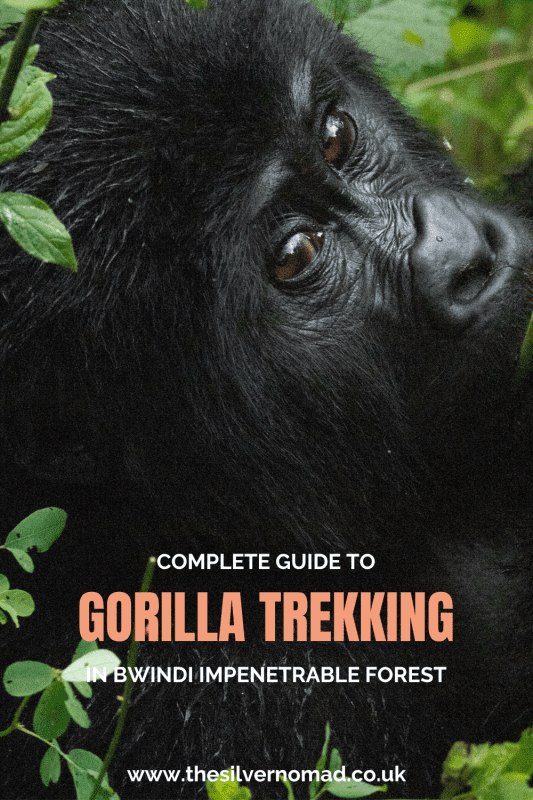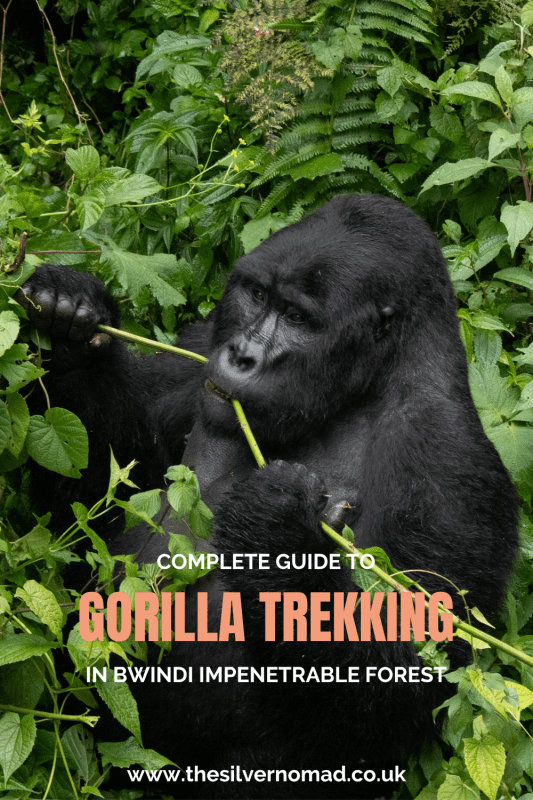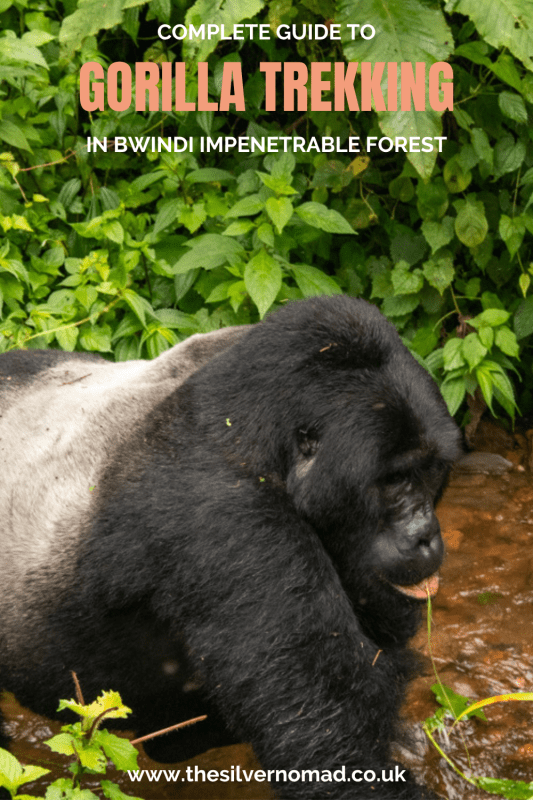
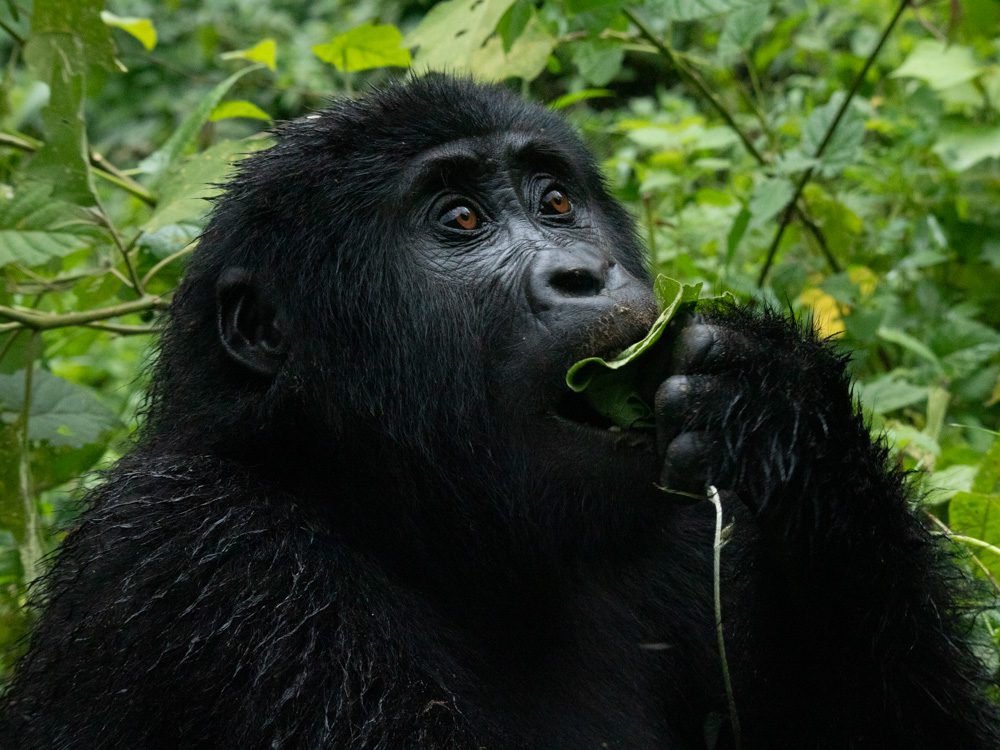
Mountain gorilla trekking in Bwindi Impenetrable Forest National Park, Uganda, is one of those rare, life-changing wildlife experiences that stays with you forever.
Standing just metres away from a wild mountain gorilla in its natural habitat, watching them forage, groom one another, or simply amble through the forest with surprising grace, is humbling, emotional and utterly unforgettable.
*This site uses affiliate links and I may earn a small commission when you use my links and make a purchase without incurring an additional fee yourself.
Thank you for supporting this website. See my disclaimer page for more details.
But Bwindi, beautiful as it is, isn’t the kind of destination you just show up to on the day. Advanced planning is needed. Trekking permits must be booked, packing lists sorted, fitness considered, and realistic expectations set.
A special thank you to Joseph and the team at Valiant Safaris for hosting me during my trip in Uganda. However, all opinions expressed are entirely my own.
If, like me, you were inspired by watching “Gorillas in the Mist,” in which Sigourney Weaver portrayed the inspirational Dian Fossey, a gorilla trekking experience should be high on your bucket list.
Whether you’re a first-time visitor to Uganda or a seasoned safari-goer, this comprehensive guide will walk you through everything you need to know before you go gorilla trekking in Bwindi.
About Bwindi Impenetrable National Park
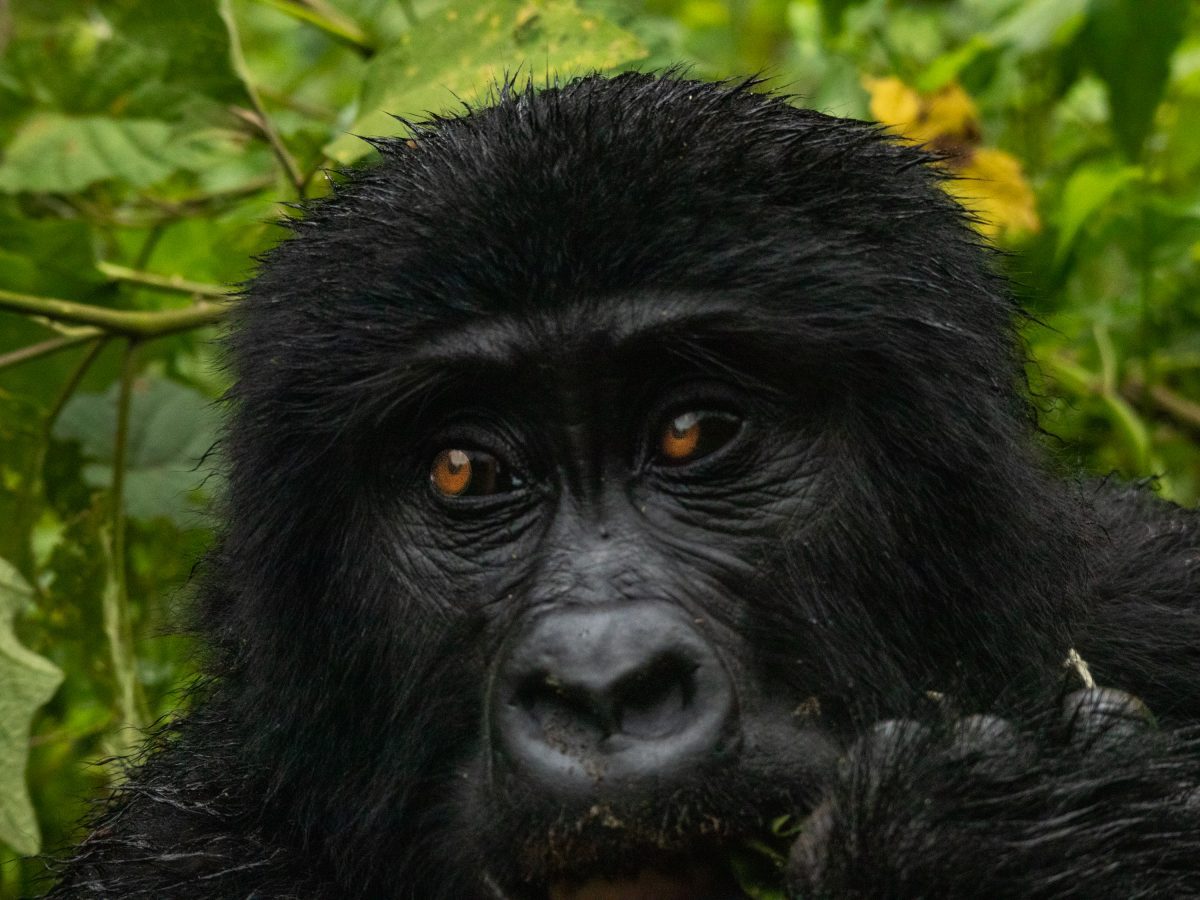
Tucked away in south-western Uganda, Bwindi Impenetrable National Park is famous for its dense jungle, mist-covered forests and remarkable biodiversity. It’s home to nearly half the world’s remaining mountain gorillas, as well as forest elephants, colobus monkeys, and over 350 bird species.
The park covers approximately 321 square kilometres, less than half the size of Kibale National Park, where you could continue your great apes journey and see chimps.
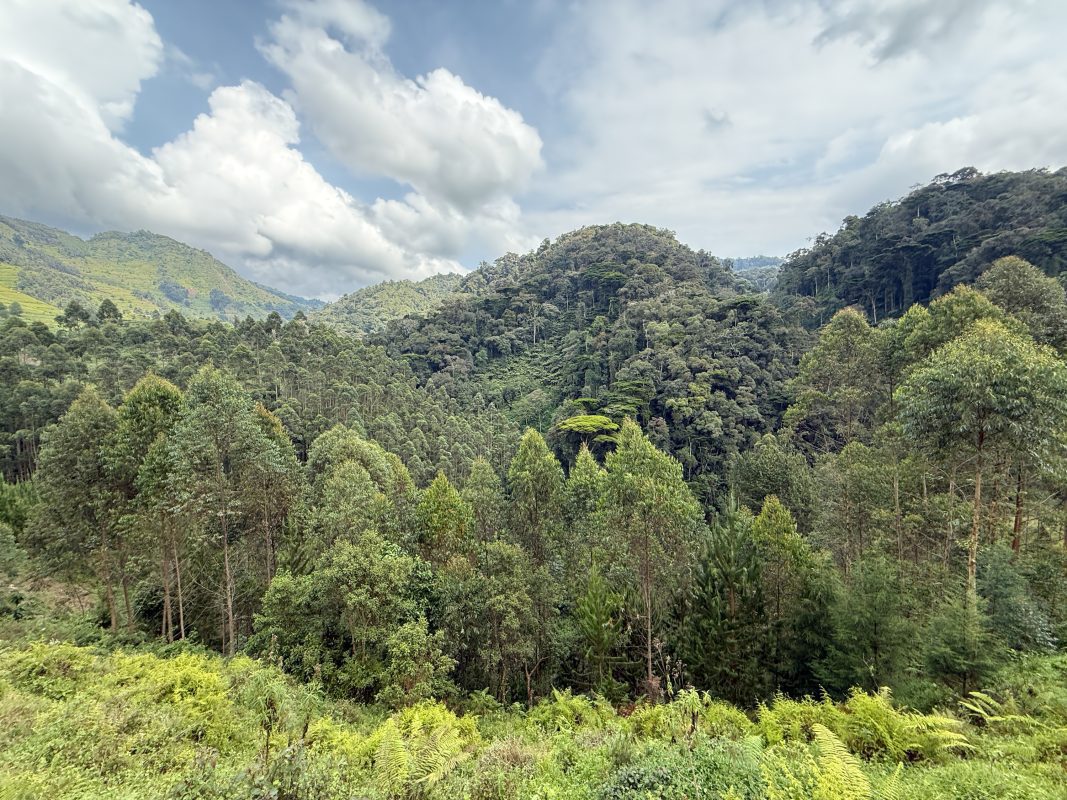
In 1991, the government seized control of the region and designated it as a national park in order to save the endangered mountain gorillas and the tropical rainforest they lived in. At the time, the Batwa pygmies lived in the forest, but they were forced to relocate outside the national park.
By 1993, there was one habituated gorilla troop – the Mubare gorilla family – in Buhoma. Since then, the habituation of the gorillas has expanded ecotourism in Uganda, with 26 different habituated families.
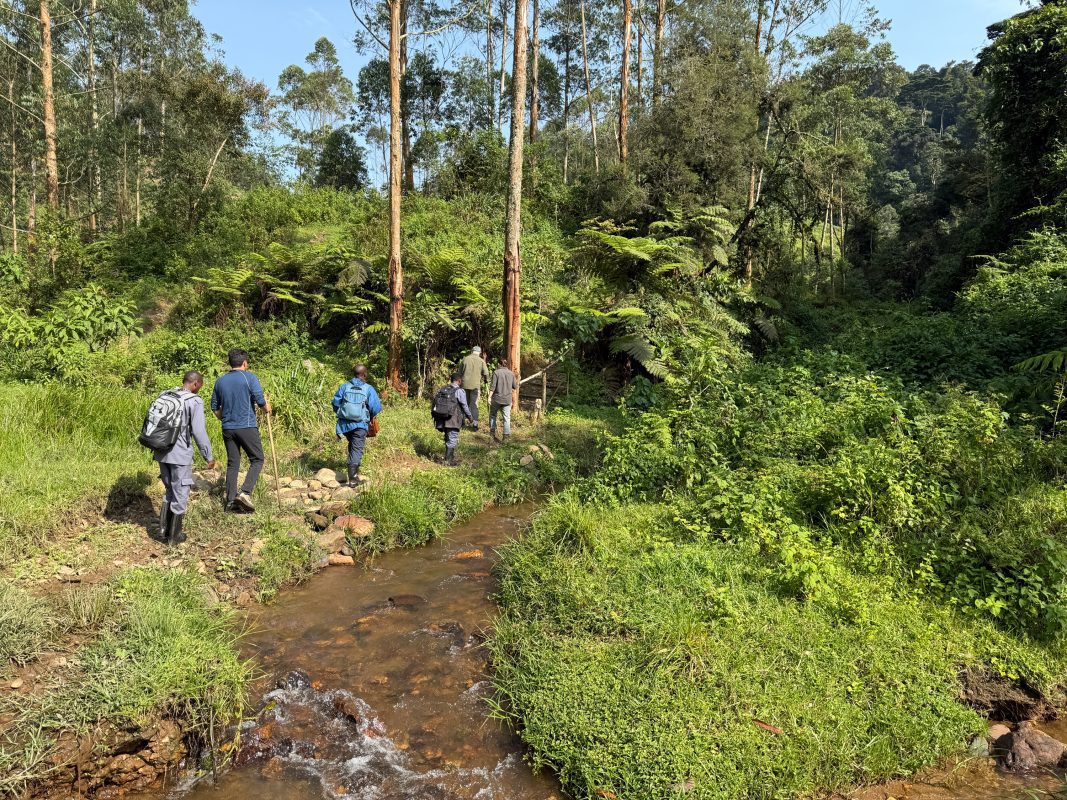
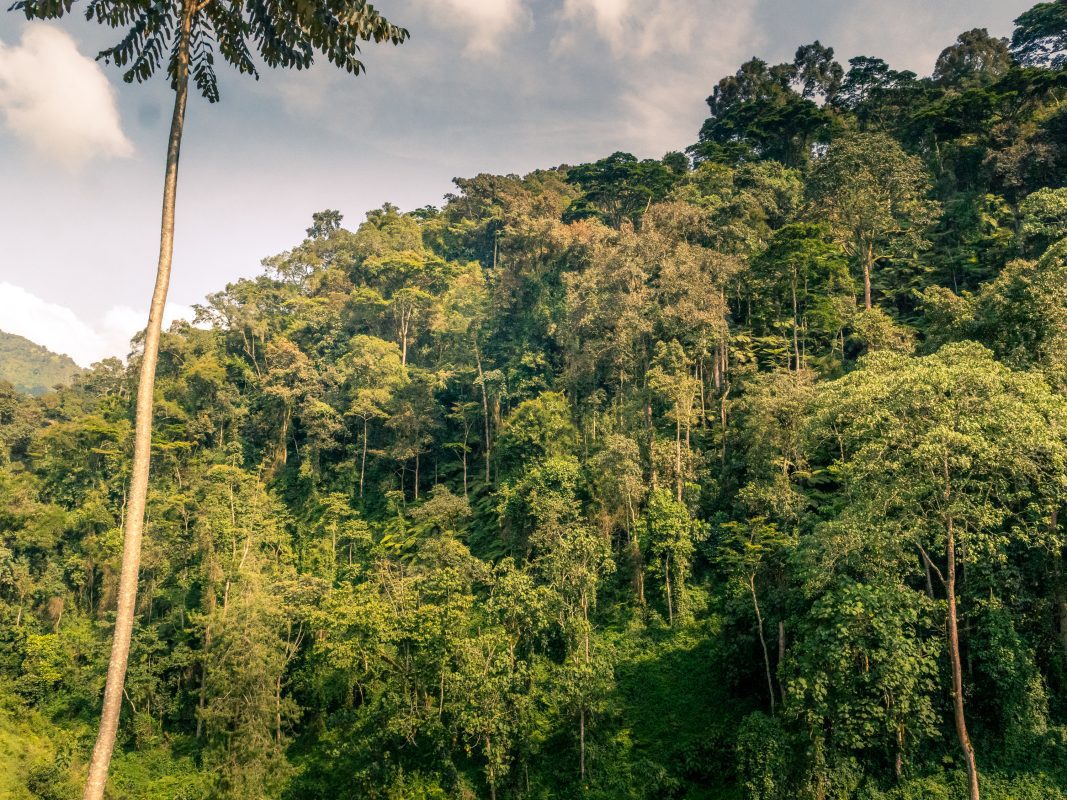
Bwindi Impenetrable Forest was recognised as a UNESCO World Heritage Site in 1994 for its exceptional biodiversity. It’s called “Impenetrable” for a reason; thick vegetation, dense forest, steep trails, tangled vines and moss-covered tree roots, weather that can be blue skies one minute and pouring rain the next.
But the reward – an intimate, ethical encounter with a habituated gorilla family – is worth every puff of breath, every drop of rain, every muddy shoe.
Where Exactly Is Bwindi?
Uganda’s Bwindi Impenetrable Forest is in the south-west of the country, about 50 km north of Mgahinga Gorilla National Park.
Understanding the Trekking Sectors
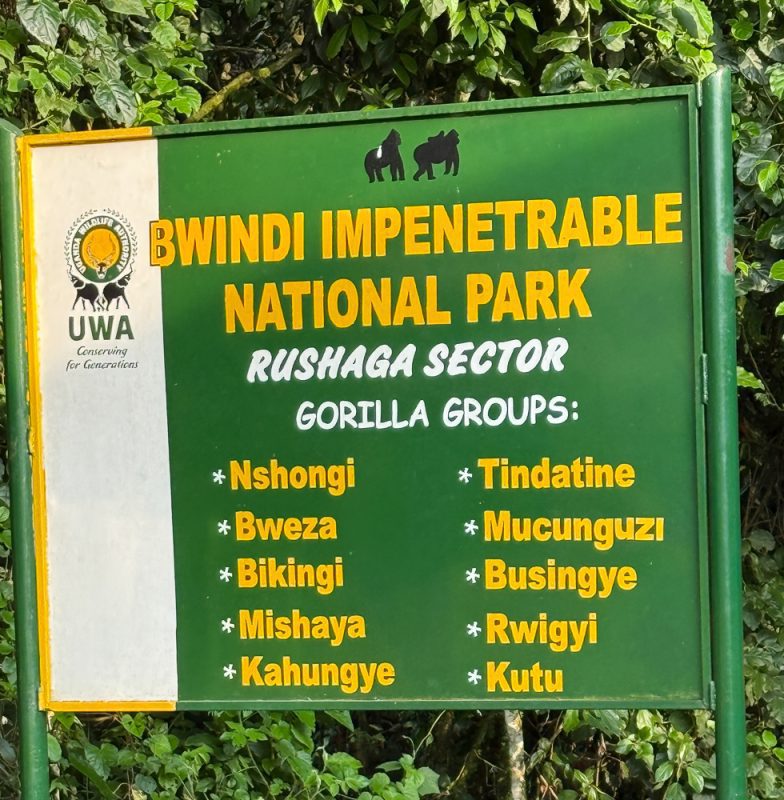
Many visitors don’t realise that Bwindi isn’t a single trekking base. It’s divided into four sectors, each with its own trekking starting point and habituated gorilla families:
Buhoma
- The original trekking headquarters launched in 1993
- Gentle terrain, excellent lodges
- Popular for first-time or older travellers
Ruhija
- Known for its stunning views and higher altitude
- Fewer lodges but quieter treks
Rushaga
- In the south
- Has the highest number of gorilla groups – 10 habituated gorilla families
- Offers both trekking and the Gorilla Habituation Experience
Nkuringo
- The steepest section – rewarding but demanding
- High altitude of approximately 2,160 metres or over 7,000 feet above
- Panoramic views of the Virunga Mountains and the Bwindi forest, featuring a cooler climate and steep, challenging terrain for trekking
- Exceptional lodges perched on dramatic ridges
Choosing the right sector matters if you want to avoid unnecessarily tough hikes. Your permit is issued for a specific sector, so be sure your lodge matches your trekking base.
More About the Mountain Gorillas
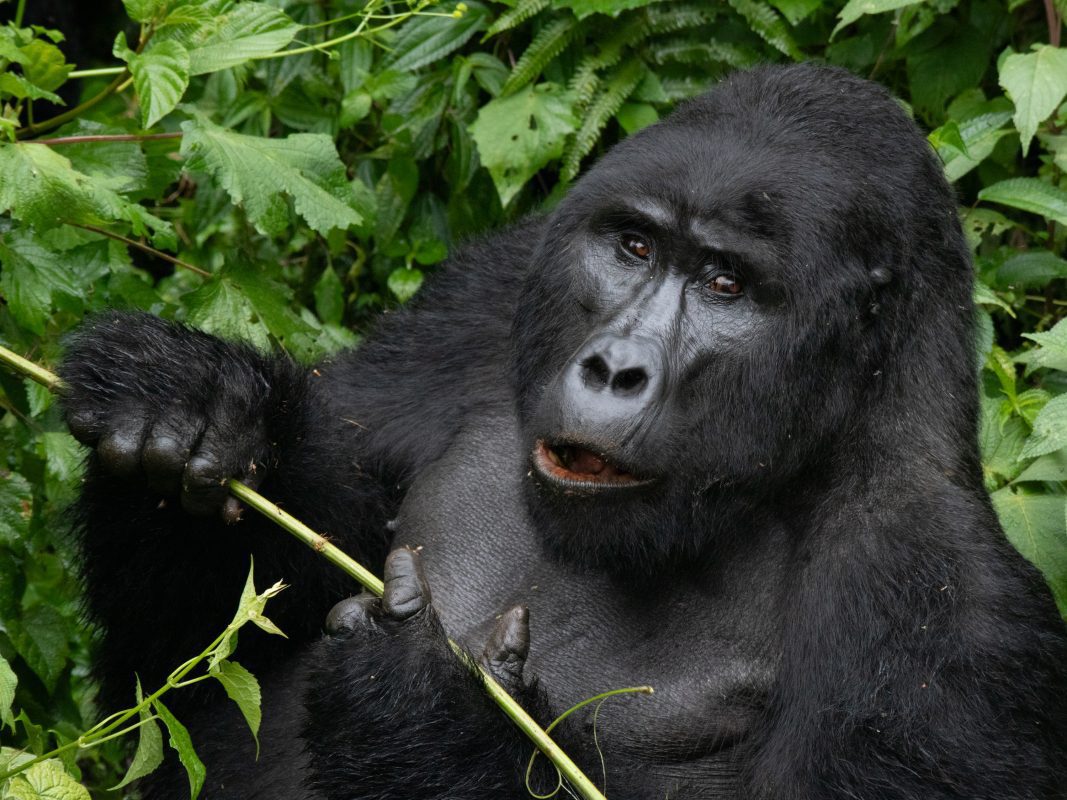
The endangered mountain gorillas are found in the Bwindi Impenetrable Forest and the Virunga Mountains. These areas cover three central Africa countries: Uganda, Rwanda and the Democratic Republic of Congo.
The gorilla tours visit only gorilla families who have gone through the habituation process. They have been gradually introduced to humans and go about their day ignoring everyone as long as they are given space and respect.
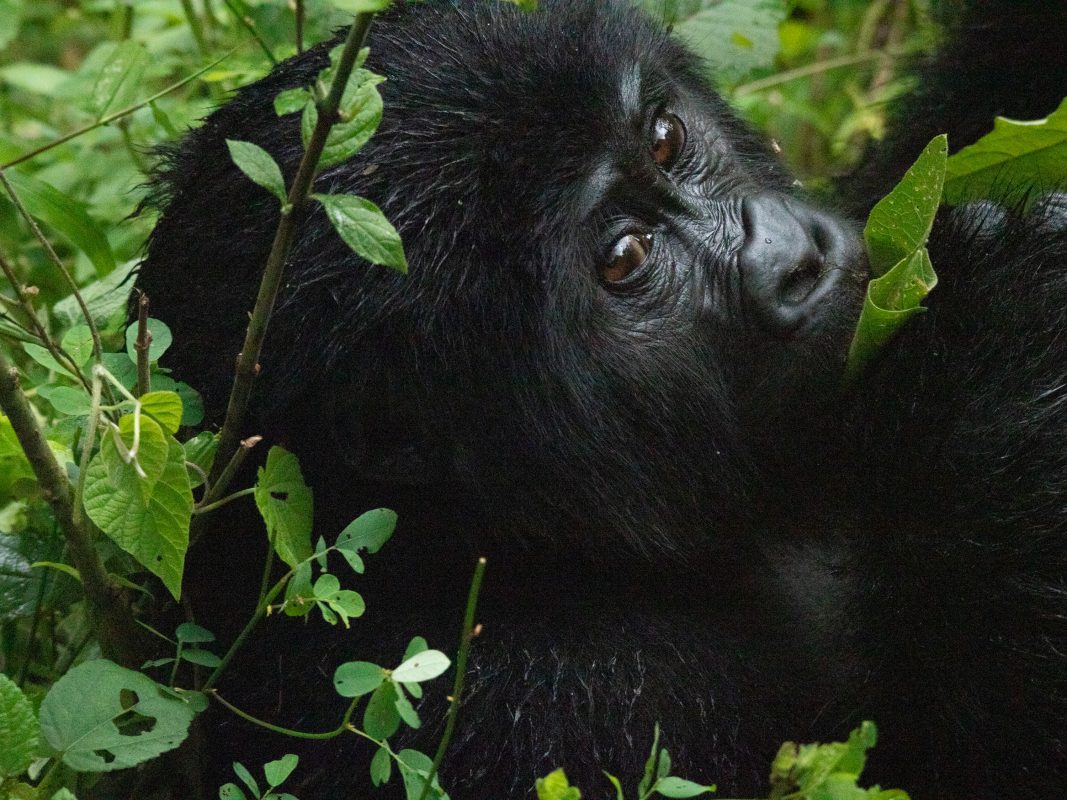
Trackers follow each gorilla family during the day for several reasons. During the day, the trackers are in contact with your guides to direct them towards a suitable meeting point with the gorillas. At the end of each day, the trackers report where the gorilla troop last were, so the following day, there is a rough idea where the gorillas are going to be.
They also monitor the troops, and with their years of experience, they can identify when gorillas are ill, treat them or call in a vet if necessary. This helps keep the families healthy, safe and the numbers growing.
Gorilla Trekking Permits: What You Need to Know
The gorilla trekking permit costs are quite high. Currently, the charge for foreign residents is $800 USD (subject to change). The permits are issued by the Uganda Wildlife Authority (UWA) only sold to Ugandan citizens at their head office in Kampala or through a reputable tour operator like Valiant Safaris. As a foreigner you cannot directly buy a permit.
Permits must be booked well in advance, especially for:
- June – August
- December – February
Your permit includes:
- Park entry
- Ranger guides and trackers
- Expert guides
- One hour with a habituated gorilla family
Tip: Work with a trusted tour company. They’ll secure your permit, organise accommodation in the correct sector, and handle logistics. I travelled with Valiant Safaris, who were the perfect tour operator.
What to Expect on Trekking Day
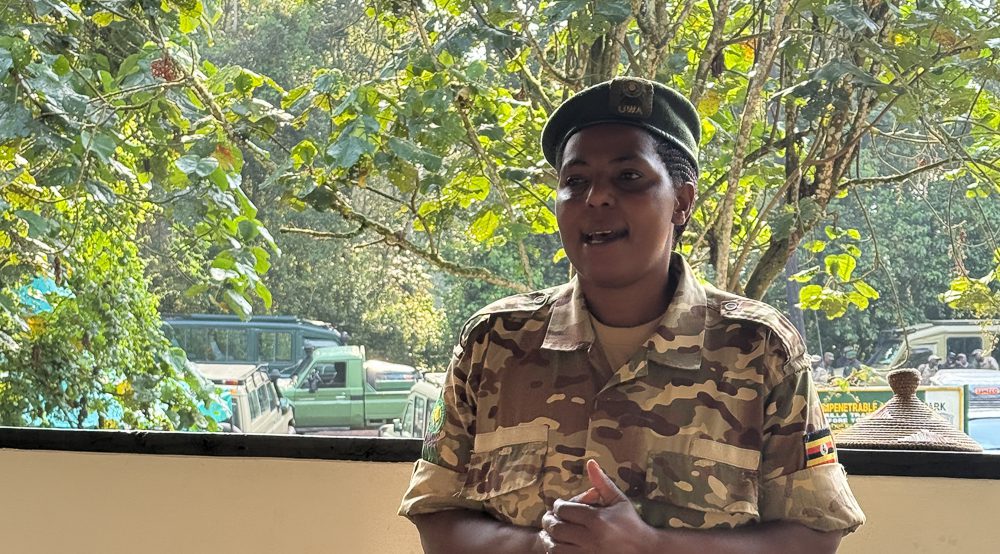
The Briefing
You’ll arrive at the sector headquarters around 7 – 7:30 am for:
- Registration
- Tea/coffee
- Batwa Pygmies’ dance demonstration
- Safety briefing
- Allocation of gorilla family groups
Trekking groups are limited to a maximum of eight people per gorilla family. While the porters accomany you on the trek, they move away then your hour with the gorillas starts.
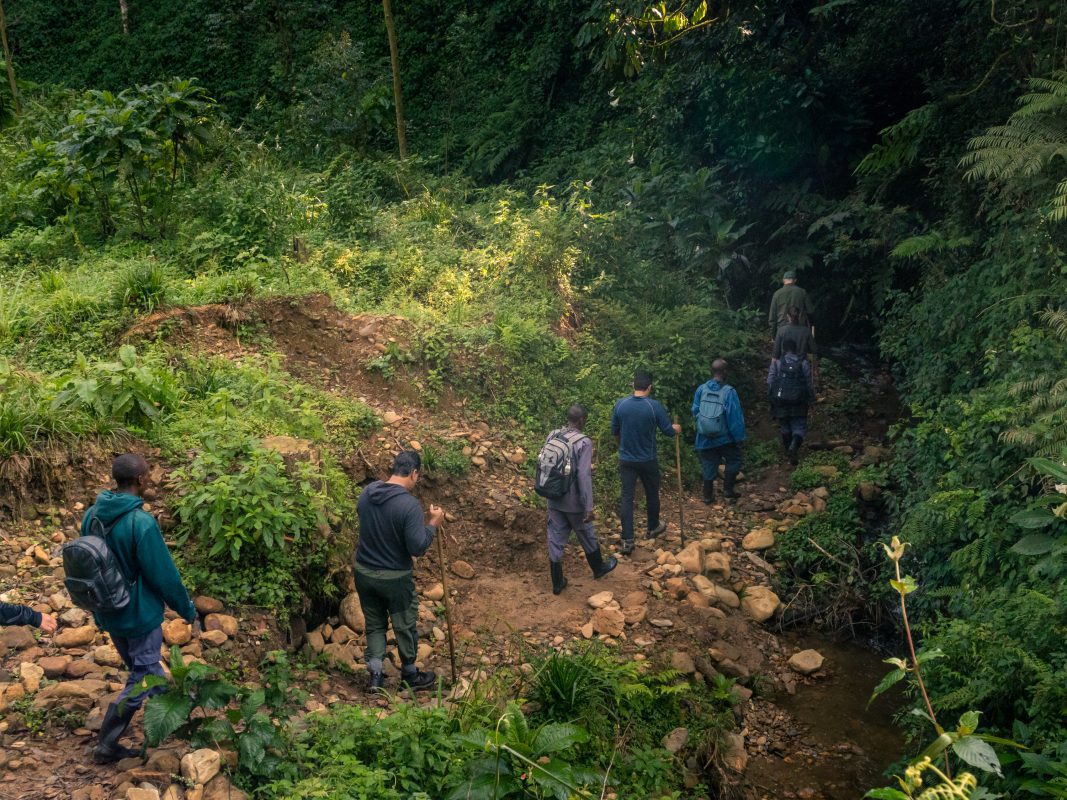
The Trek
Your trek could last anywhere from:
- 30 minutes (lucky!), tends to be a less strenuous trek
- up to 6+ hours each way, depending on the gorillas’ movements
The terrain can include:
- Muddy trails
- Slippery slopes
- Dense undergrowth
- Occasional stinging nettles
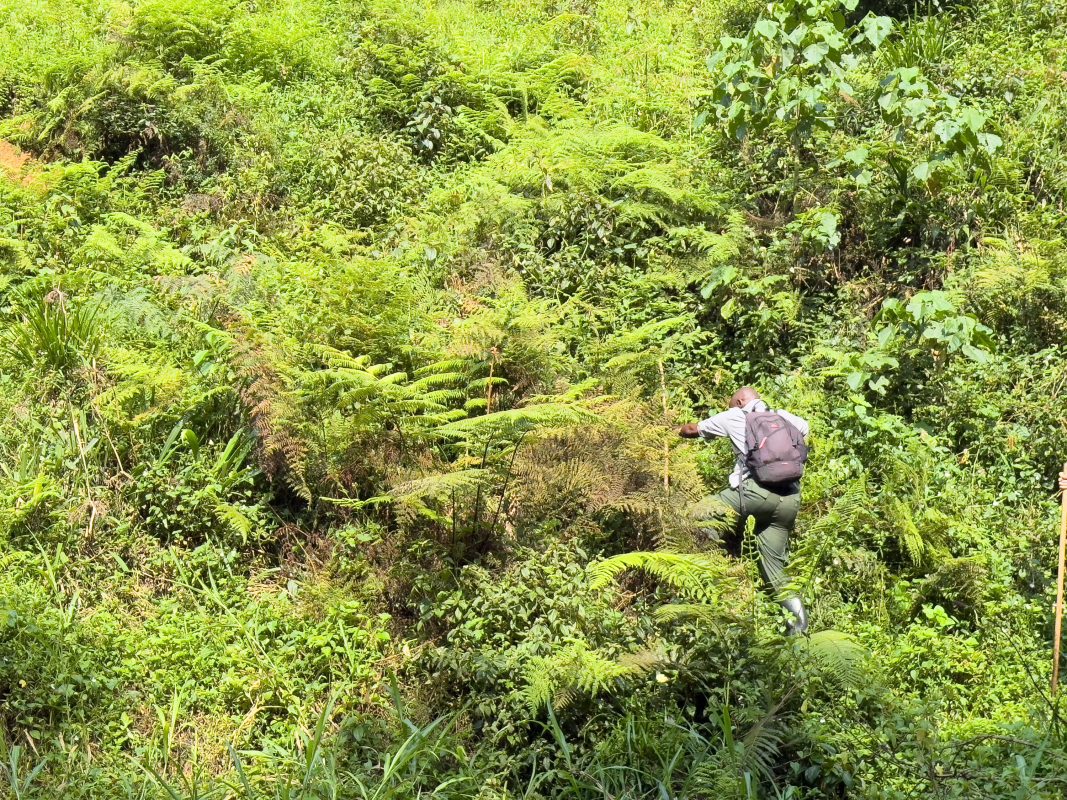
Your guide will lead the way, and your porter can give you a helping hand (or push) up any difficult parts. It is not a continuous trek, you will get as many breaks as you need for a snack, drink or just to catch your breath.
Rangers maintain radio contact with trackers who locate gorilla families earlier in the morning, and you and your group will move
Meeting the Gorillas
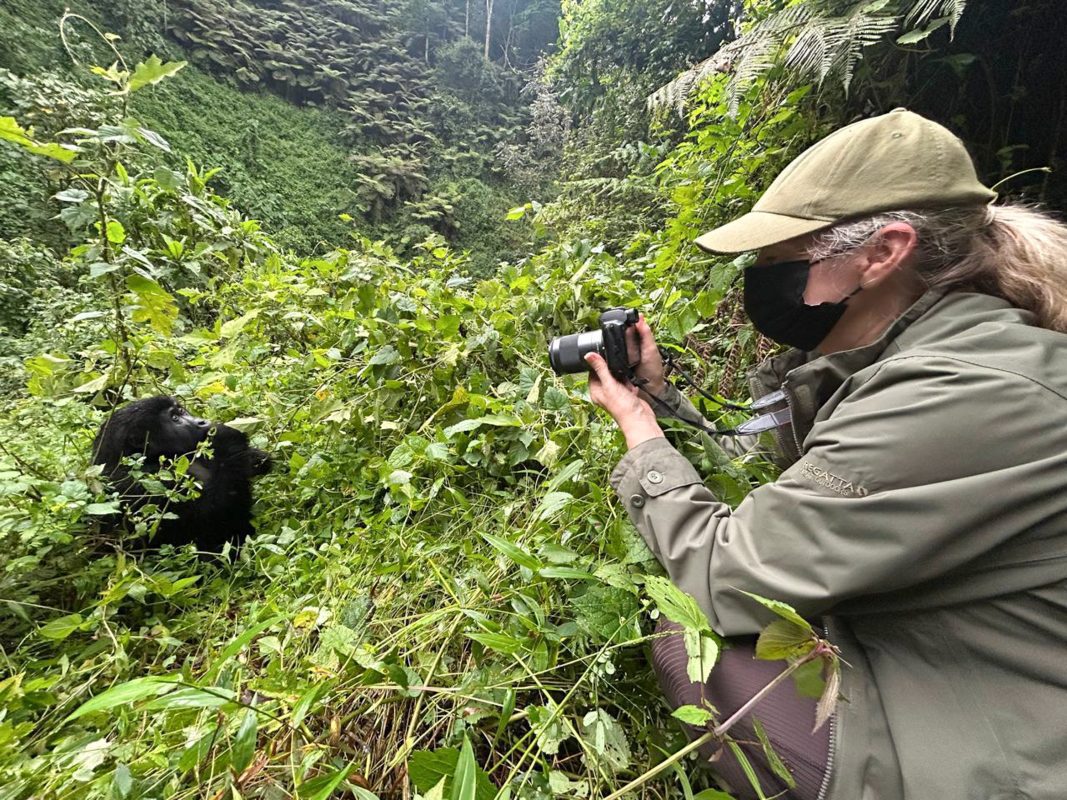
When you reach them:
- Masks are required
- You must stay 7–10 metres away
- Flash photography is prohibited
- You’ll have exactly one hour
That hour feels both long and impossibly short. You might see:
- Mothers cradling babies
- Chest-beating silverbacks
- Young gorillas playing
- Peaceful feeding
- Gorillas hunkering down against the rain.
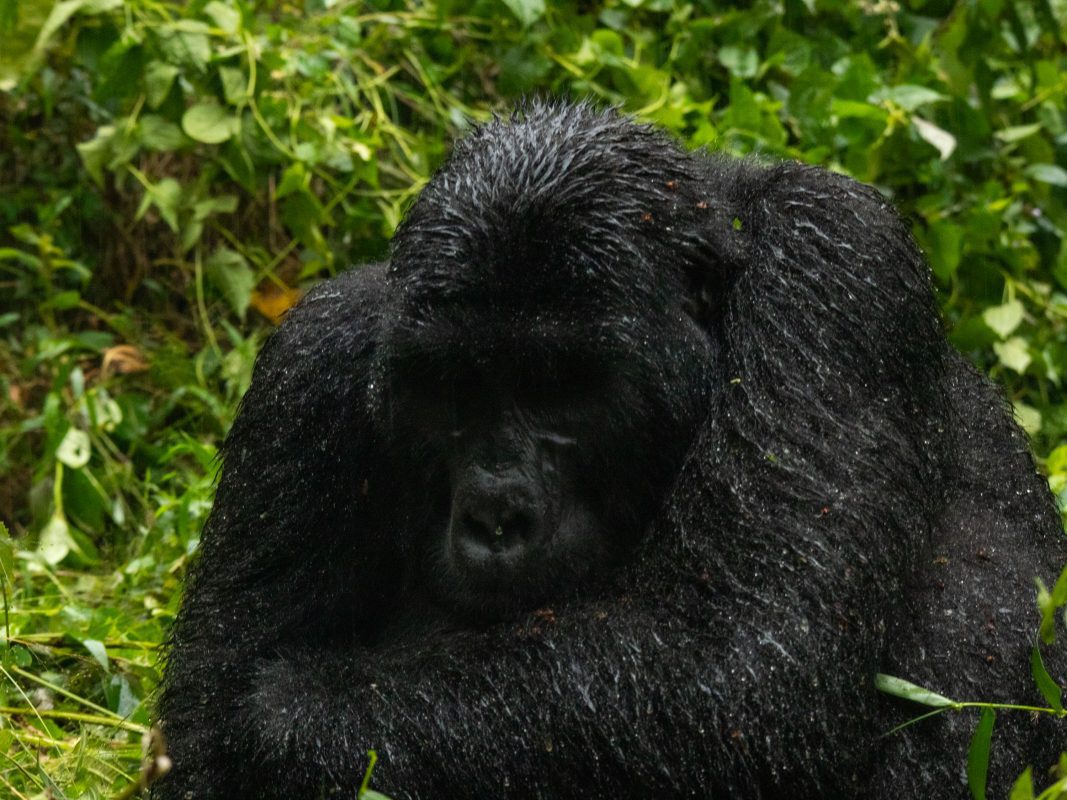
It’s emotional and grounding – many visitors shed a tear. Do try to take some time to watch them without looking through a lens. It is such a unique and great experience that spending a few precious minutes just being with them is invaluable.
The Trek Back
After your hour with the gorillas is up, you still have the trek back. The exhiliration of seeing the gorillas makes the trek feel as if it is quicker. There are still stops to rest (or shelter from the rain for a bit) and to say goodbye to the trackers and rangers who found the gorillas.
Once back at base, you will receive a certificate confirming your visit to the gorillas.
How Difficult Is Gorilla Trekking in Bwindi?
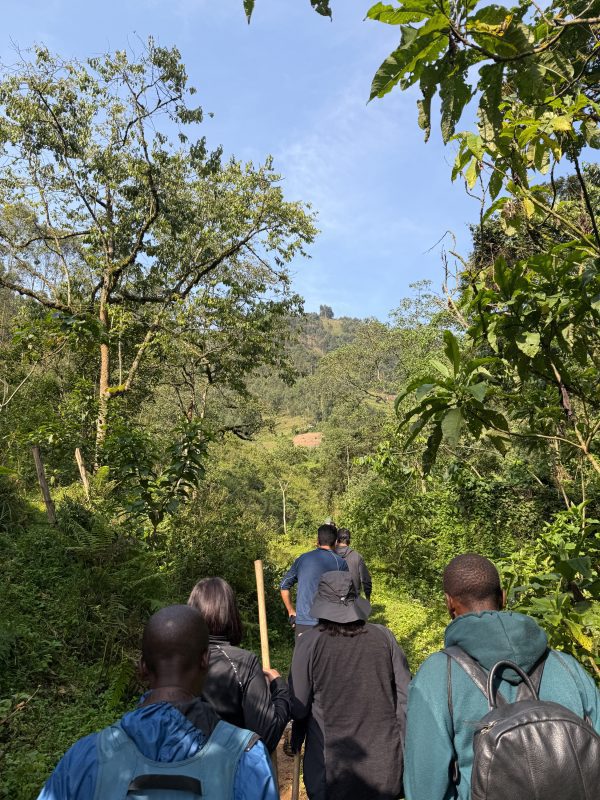
Short answer: It really depends…. It depends on the gorilla family you’re assigned which depends on where they are, your physical fitness and the sector you’re trekking in.
Difficulty Rating by Sector
- Easiest: Buhoma
- Moderate: Rushaga & Ruhija
- Challenging: Nkuringo
Trekking Tips to Make Your Trek easier:
- Hire a porter (around $20 USD) — they’re invaluable for balance, support, carrying your bag and you are contributing to the community
- You are provided with a walking stick if you want one.
- Take the trek at your own pace
- Consider a sedan/chair (traditional stretcher) in Nkuringo if you have mobility challenges
This isn’t a marathon – it’s about slow, steady progress.
Gorilla Trekking Rules and Etiquette
Mountain gorillas are critically endangered – your behaviour helps protect them.
- Minimum age: 15
- Keep a 7–10 metre distance
- No trekking if you’re ill
- Speak quietly
- No sudden movement
- Follow the ranger’s instructions
- No flash photography
- Wear a mask
What to Pack and Wear
Clothing

- Long-sleeved lightweight shirt – protects your arms from the sun and nettles and can keeps you warm.
- Long trousers – protect your legs from scratches.
- Hiking boots with a good grip – it can get slippery if there has been rain, so a good grip is essential.
- Gaiters or long socks – to stop ants and other insects from getting into your trousers and biting you as well as keeping your trousers clean of mud.
- Waterproof jacket – The weather can change quite quickly so a waterproof jacket is handy to have.
- Gardening gloves – it might sound strange but gardening gloves are great for grabbing vines and nettles safely.
Gear to pack
- 2 litres of water – try a Water-to-Go Bottle as the perfect water bottle to carry with you.
- High-energy snacks – once you start the trek, there is nowhere to buy anything.
- Daypack – to carry your water, snacks, camera, extra tops in case of cold. Try to make sure that your Daypack is a natural colour – green, brown, grey – so that it d
- Camera with spare battery and dry bag – try to carry a spare battery,
- Camera Raincover – just in case of a downpour
- Face mask – The main reason you have to wear a mask is that the mountain gorillas are susceptible to human diseases, and humans are to theirs. It is to protect both humans and gorillas.
Before you set off
As the gorillas and other wildlife can be sensitive to strange smells and odours, you are advised to put deodorant, sunscreen and insect repellent on before you leave your lodgings.
Safety Tips for Bwindi Gorilla Trekking
- Listen to your guide
- Always stay with your group
- Mind the stinging nettles
- Watch your footing on slopes
- Carry enough water
- Let your guide know if you struggle
- Use your walking pole
- Wear long clothing to avoid scratches and insects
When Is the Best Time to Go Gorilla Trekking?
Dry Season (June – August, December – February)
- Best for Trekking
- More stable weather
- Clearer trails
- However, higher permit demand
Rainy Season (March – May, September – November)
- The forest is greener
- Fewer travellers
- More mud and tougher trekking conditions
For photography, both seasons offer something beautiful.
Gorilla Families in Bwindi
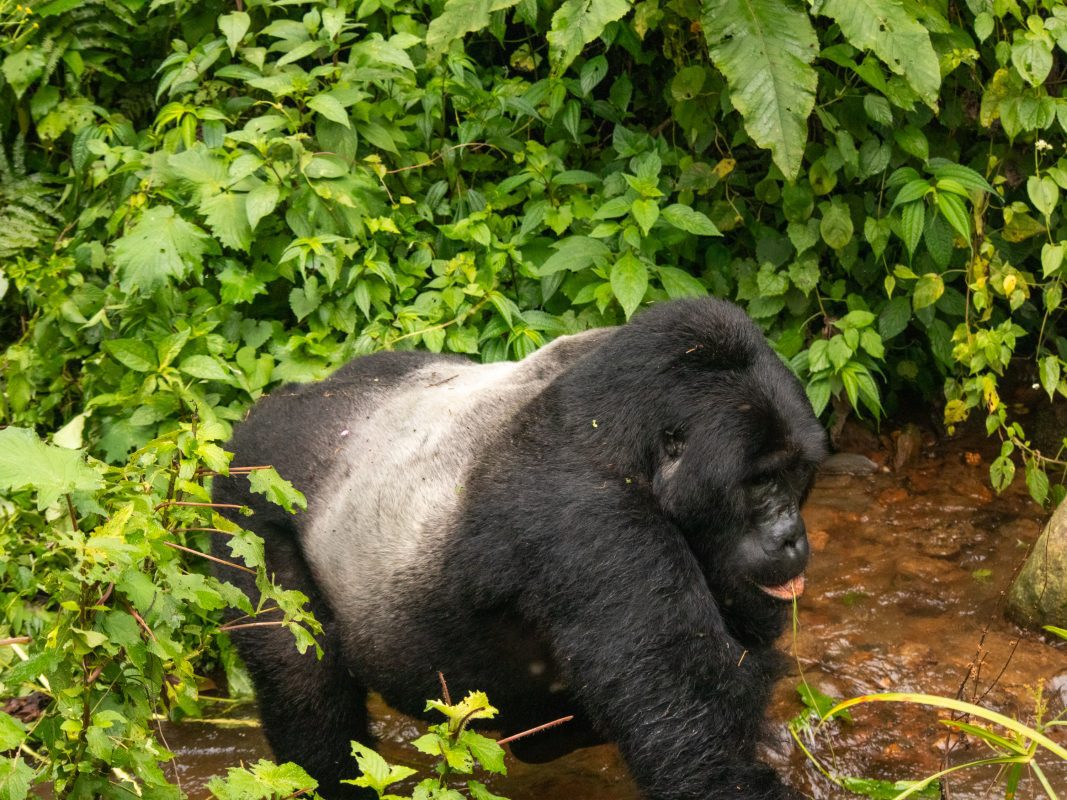
Bwindi has over 26 habituated gorilla families, including:
- Mubare (Buhoma)
- Rushegura (Buhoma)
- Nkuringo (Nkuringo)
- Bweza (Rushaga)
- Kahungye (Rushaga)
- Tindatine (Rushaga) – the family I visited
Each family has its own dynamics: playful juveniles, calm silverbacks, curious adolescents and nonchalant females who tend to ignore you. There is always a dominant male silverback, his harem and younger gorillas.
The Gorilla Habituation Experience
If one hour isn’t enough (and let’s be honest, it never is), consider the Gorilla Habituation Experience in Rushaga.
- Spend four hours with a semi-habituated gorilla family
- Learn about gorilla behaviour from researchers
- Costs more than a standard permit
- More strenuous than a normal trek
For wildlife lovers, it’s extraordinary and worth the extra expense and effort.
Beyond Gorillas: Other Wildlife and Scenery
Bwindi is a biodiversity hotspot with:
- Over 350 bird species, including Albertine Rift endemics
- Forest elephants
- L’Hoest’s monkeys
- Black-and-white colobus
- Waterfalls and ancient trees
It’s one of Africa’s most magical forests.
How to Get to Bwindi
From Entebbe or Kampala (by road)
- 8–10 hours’ drive
- Can be broken up with a stop at Lake Mburo
- Roads are mostly good, though expect potholes and mountain bends
By Domestic Flight
Aerolink and other carriers fly from Entebbe to:
- Kihihi (for Buhoma)
- Kisoro (for Rushaga and Nkuringo)
Flights cut travel time dramatically – ideal if you’re short on days or prefer to avoid long road journeys.
From Rwanda
It’s possible to drive from Kigali to Bwindi in about 4–5 hours – handy if combining both countries.
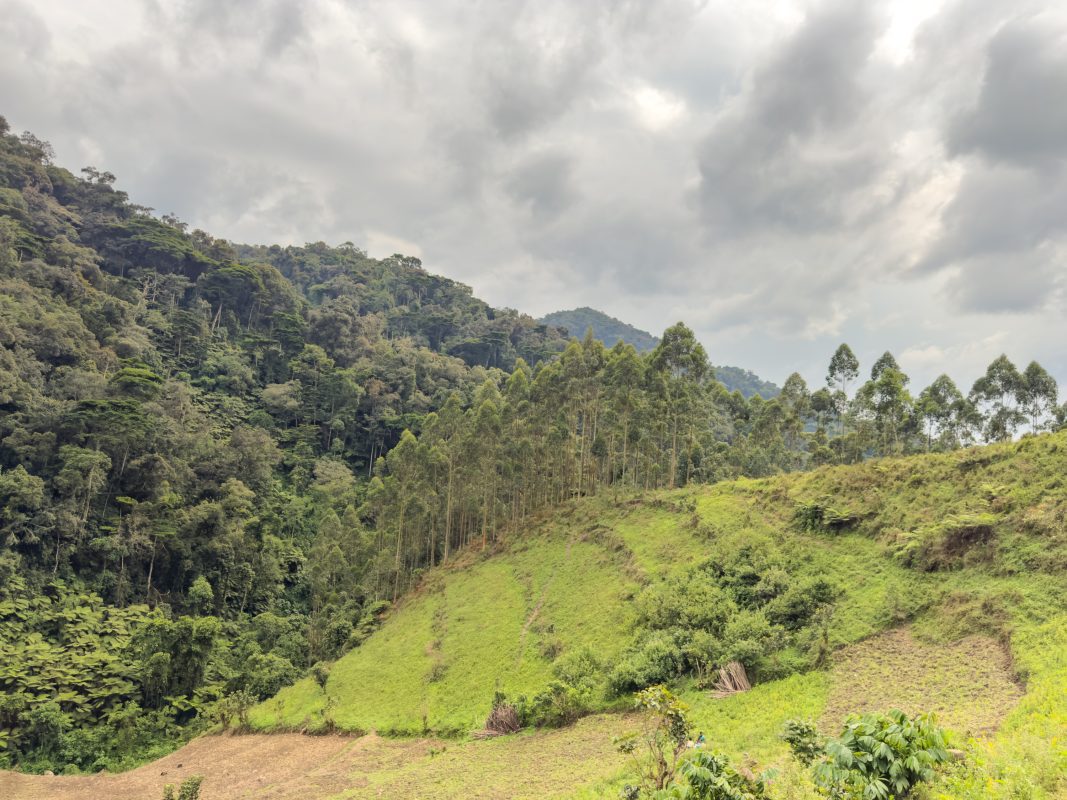
Where to Stay in Bwindi
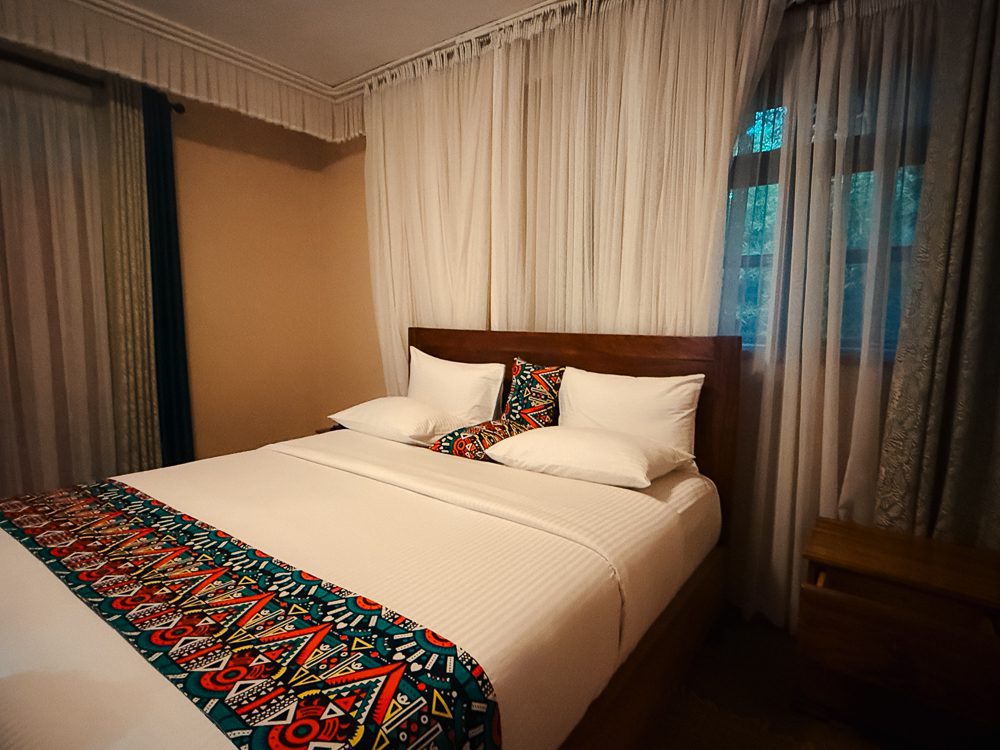
Choosing the best place to stay will depend on your trekking sector. You want somewhere close enough that you are not spending too much time travelling to and from the start of your trek.
My trek was at Rushaga and I stayed in the nearby Gorilla Leisure Lodge, it was a restful place, waking up to views across the mist-covered hills.
Buhoma
- Sanctury Gorilla Forest Camp or Buhoma Lodge (luxury)
- Haven Lodge (mid-range)
- Ride 4 a Woman Guesthouse (community-based, budget-friendly)
Ruhija
- Ruhija Gorilla Safari Lodge
- Agandi Eco-Lodge
Rushaga
- Gorilla Leisure Lodge
- Rushaga Gorilla Lodge
- Ichumbi Gorilla Lodge
Nkuringo
- Nkuringo Bwindi Gorilla Lodge
- Clouds Mountain Gorilla Lodge (luxury, jaw-dropping views)
Booking the right lodge in the correct sector is essential.
Gorilla Trekking Costs: Full Breakdown
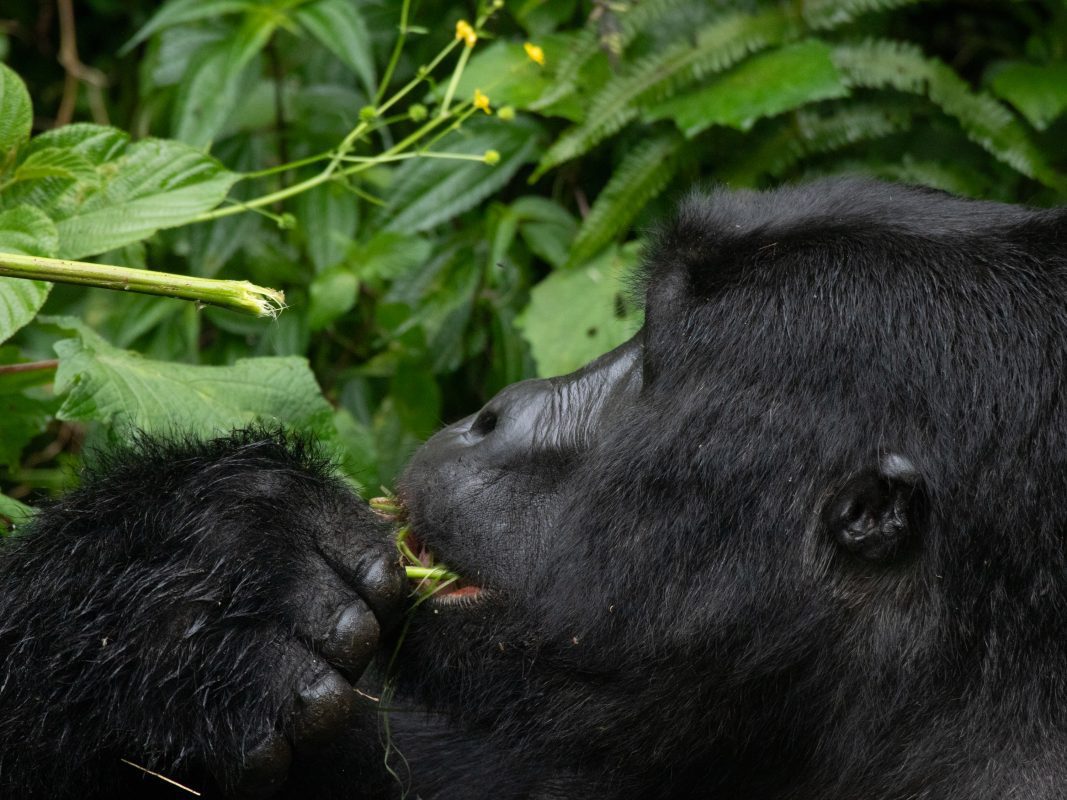
Gorilla Trekking is not cheap, but it is a once in a lifetime adventure that more than pays for itself in memories.
Approximate budgeting (per person):
- Gorilla permit: $800 USD
- Lodge: $80 – $900 per night
- Porter: $20
- Sedan/chair (if needed): $300+
- Driver/guide: varies but budget for around $10 – $20+ per person, per day
- Rangers and station guides: $5 – $10 per person
- Domestic flights: $250–$350 each way
- Meals & tips: $15–$30
Tipping is down to you. If you feel that your porter/guide/driver deserves more than I have suggested, you are free to give them as much as you want.
Responsible & Ethical Tourism in Bwindi
Your trek helps protect gorillas:
- Permit fees fund conservation of the national park and protection of the gorillas
- Hiring porters supports local communities
- Buying local crafts directly benefits families
- Staying in community-based lodges spreads income
One of the most ethical wildlife experiences in East Africa.
Sample 3-Day Gorilla Trekking Itinerary
There is no such thing as a standard gorilla trek. You are dealing with wild animals, no matter how habituated they are.
Day 1: Travel to Bwindi
Check into your lodge, relax, and take an optional walk to visit local communities.
Day 2: Gorilla Trekking Day
Early start, trek, and your magical one-hour encounter. In the afternoon, rest or cultural experience.
Day 3: Nature Walk or Second Trek
Short forest walk, birding tour, or return travel.
What No One Tells You About Gorilla Trekking
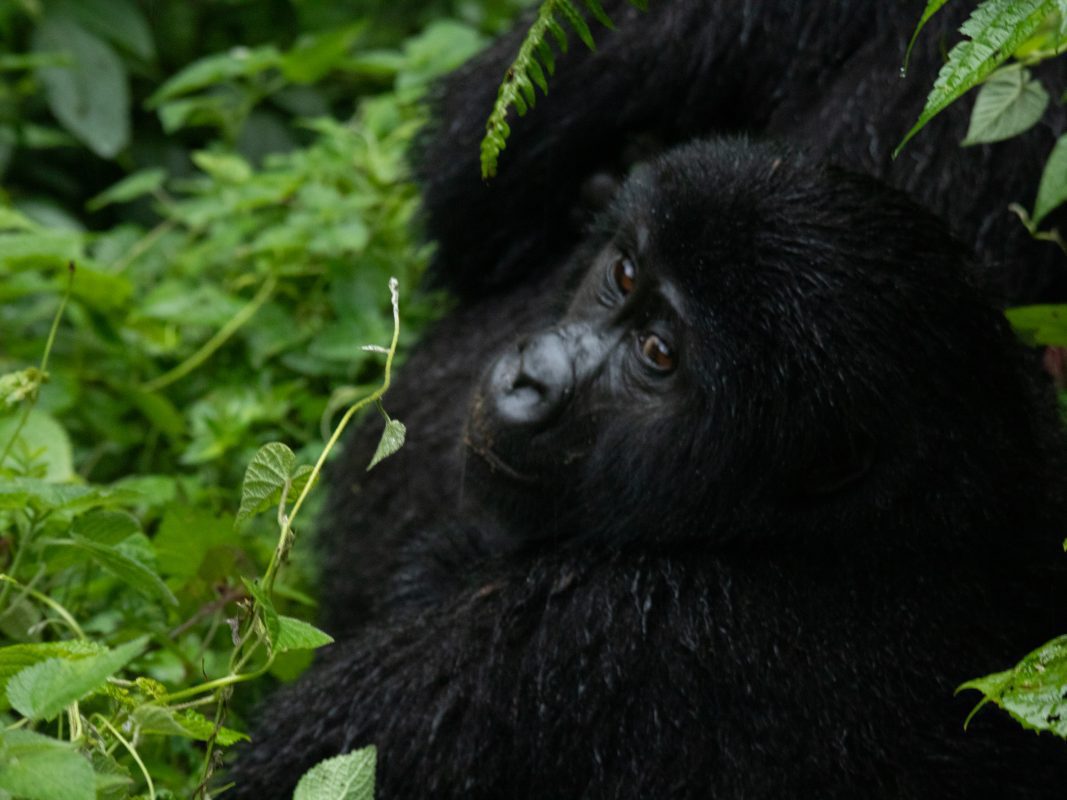
- The forest is colder than you think
- Humidity levels are high—sweat happens
- Your boots will get muddy
- It’s easier if you hire a porter
- You may get wet… and you may get very wet
- The hour goes by unbelievably fast
- The emotional connection is powerful
- The silverback is far calmer than you expect
- You’ll want a second trek the next day, and a third and and and….
FAQs about Gorilla Trekking in Bwindi
Is gorilla trekking safe?
Yes, if you follow what you are told to do. The expert guides and park rangers are trained and have years of experience, and lead treks daily. The gorilla groups are habituated to the presence of humans.
How close do you get to the family of gorillas?
You’re meant to stay 7 – 10 metres away, but sometimes gorillas move close to you, and you have to stay still.
What if I’m not fit?
You are put into small groups with others of a similar fitness level. I would recommend you hire a porter to carry your bag, leaving your hands free for walking poles. Your porter will also help you up to get up tricky bits. Go slowly, it is not a race and, maybe consider the easier treks in Buhoma.
Can I take photos?
Yes, but no flash. It might be worth taking a dry bag to carry your camera in, as it can start raining at any time. You can also use a raincover for your camera.
Final Thoughts
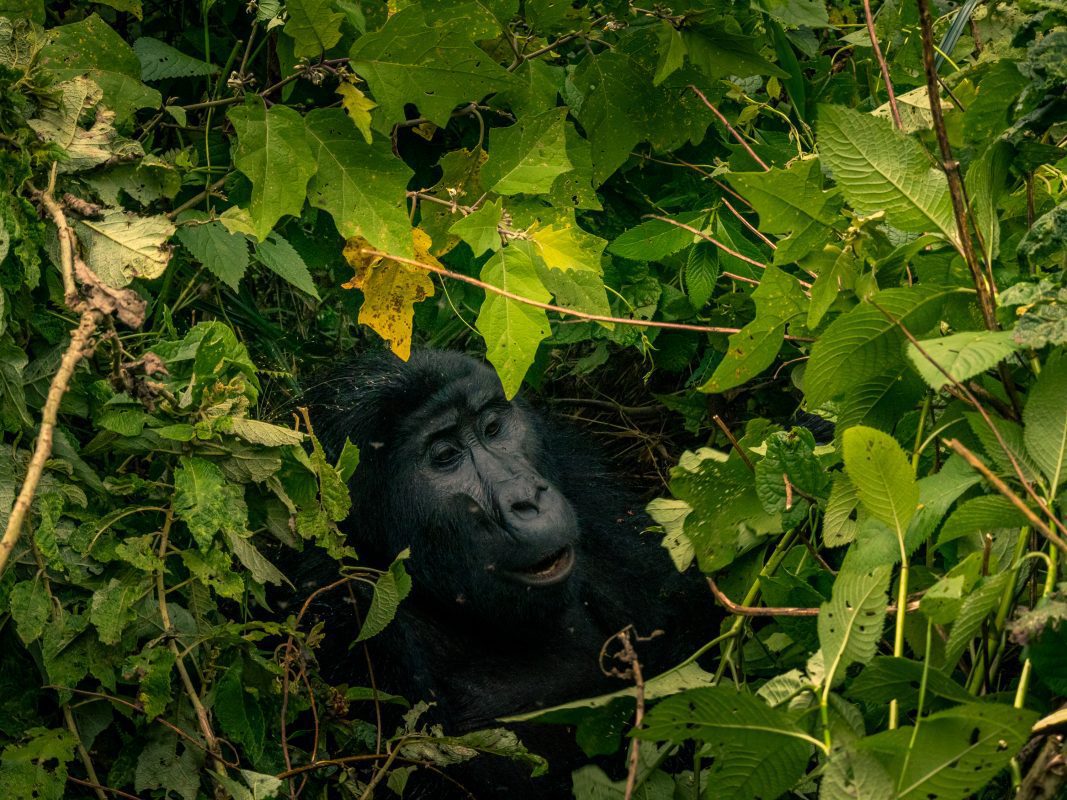
Gorilla trekking in Bwindi is a moving and intimate wildlife encounter. It’s challenging, exhilarating and deeply meaningful. With the right preparation, every traveller can comfortably take on the trek and enjoy an unforgettable encounter with these gentle giants.
If you love wildlife safaris, nature, and authentic, once-in-a-lifetime travel experiences, Bwindi deserves a place at the very top of your list.
Have you seen gorillas in the wild or are you planning a trip soon? Share your thoughts or questions in the comments below — I’d love to hear from you!
Use these Uganda Travel Tips to plan your adventure!
- Plan your trip with these Uganda Travel Guides.
- Take a guided tour with one of G Adventures Uganda trips
- Get the best deals on flights with Skyscanner.
- Find the perfect place to stay in Uganda on Booking.com.
- Buy your e-sim before you go with Airalo.
- Explore more about Uganda with local experiences.
- Don’t forget to arrange your travel insurance.
Don’t forget to pin this article so you can come back to it later