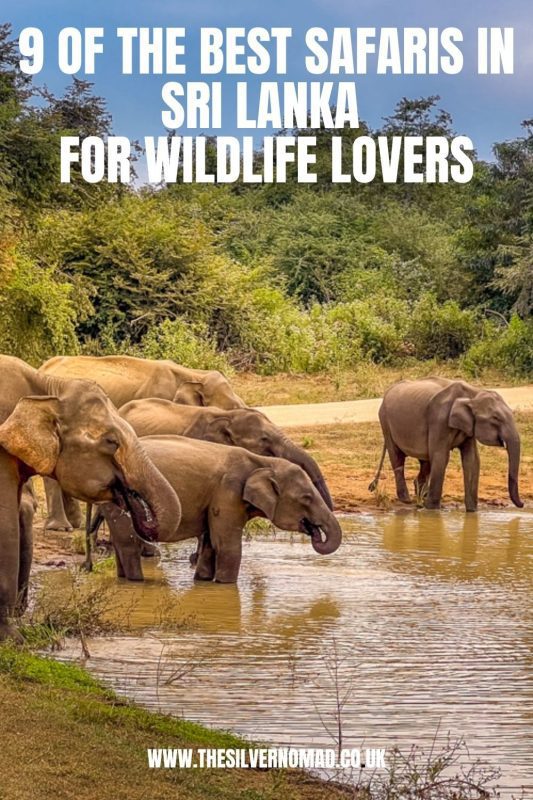

Sri Lanka is a paradise for wildlife enthusiasts, boasting diverse ecosystems ranging from lush rainforests to grasslands and coastal wetlands. Taking safaris in Sri Lanka is the best way to see wild animals while on safari outside Africa.
*This site uses affiliate links and I may earn a small commission when you use my links and make a purchase without incurring an additional fee yourself.
Thank you for supporting this website. See my disclaimer page for more details.
This small island, sitting in the Indian Ocean, is home to an incredible variety of wildlife. Some of the many species of mammals you may see include Asian elephants, the highest density of leopards in the world, loris, shaggy sloth bears, wild boar, civets, jackals and many more.
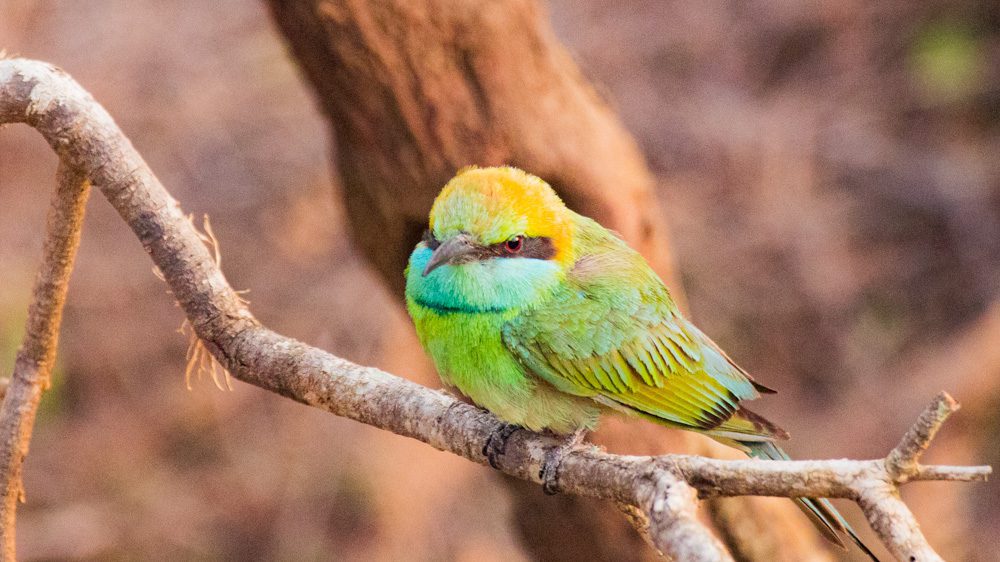
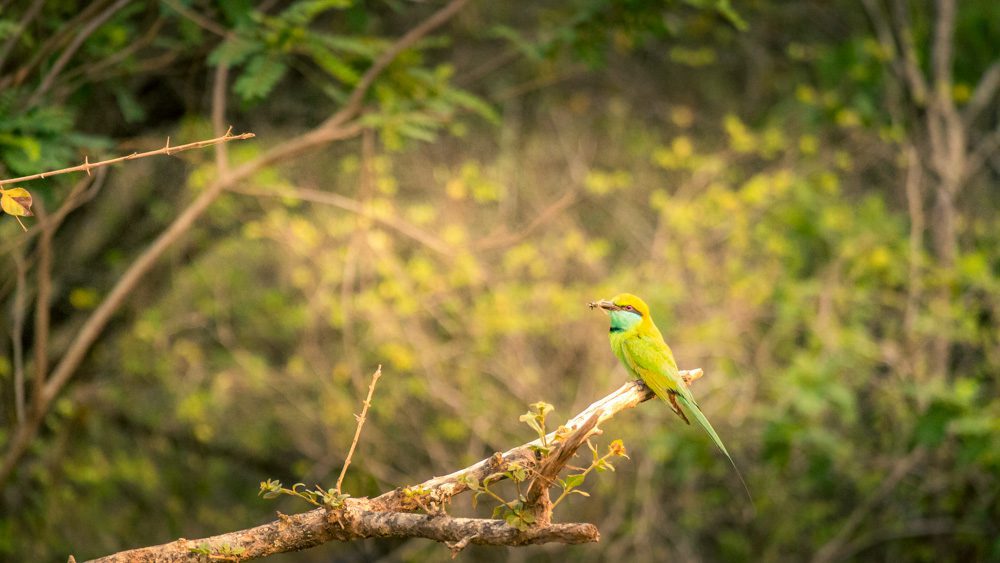
There is also a spectacular array of colourful migrating and endemic species of birds including numerous peacocks, Sri Lankan junglefowl and gorgeous brightly coloured bee-eaters. Not to mention spinner dolphins, whales, turtles and a kaleidoscope of fish in the ocean.
Taking a safari in Sri Lanka is definitely worthwhile. While you won’t be able to see the traditional “Big Five animals”, Sri Lanka does have its own “Five to See“: the Sri Lankan Elephant, the elusive Leopard, Sloth Bear, Sperm Whales, and Blue Whales.
There are 26 different national parks and nature reserves in Sri Lanka, all offering something slightly different. Every day in a safari park is unique, and with each visit you can see numerous animals and birds.

If you are looking for somewhere to stay, your best option can be to stay at a safari camp. Stay in a glamping luxury tent, a dorm, or a hotel. and you are in the ideal place for your game drives. I have included some links for you below each park.
Here’s a guide to the most popular national parks for a Sri Lanka safari.
The Best Safaris in Sri Lanka
Yala National Park

Yala is the second-largest national park in Sri Lanka. The famous Yala National Park covers around 979 square kilometres (378 square miles). The park is split into five blocks, and only three are open to the public. This preserves the wildlife and their natural habitats.
Yala is known for having one of the highest concentration of leopards in the world. You can also look out for Sri Lankan elephants (slightly different to Asian elephants), sloth bears, crocodiles, wild boar and a rich variety of birdlife.

The park borders the Indian Ocean and the beach is a great place to stop for a bite to eat and maybe cool off with a dip in the sea.
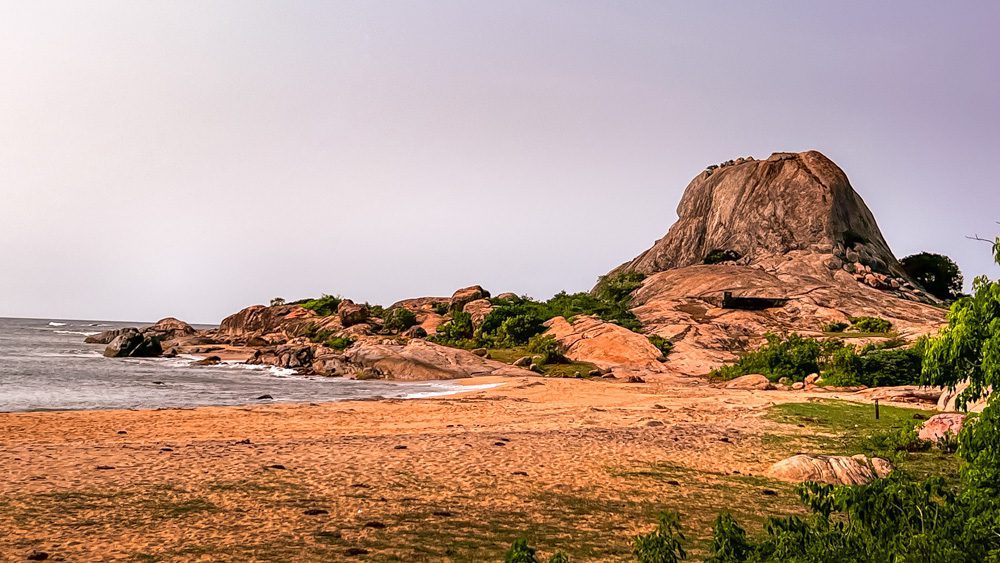
The first time I went on safari in Sri Lanka was to Yala. I have now visited Yala three times and, so far, I have managed to see leopards every time. They always seem to be lounging about in far off trees, so I did not get great photos of them.

Yala safari tours are the most popular and it is the most visited park. Even though it is popular, it is not too busy.
Yala National Park Details
- Location: Southern coast of Sri Lanka
- Best Time to Visit: February to July (dry season for best wildlife sightings).
- Animals: Best for leopard sightings
- Don’t Miss: A sunrise or sunset safari for the best chances of spotting leopards.
- Where to stay: Check out accommodation near Yala
Udawalawe National Park
Each park gives a different interaction with the large elephant population in Sri Lanka. Udawalawe offers fantastic close-up encounters with these majestic animals. With large watering holes, you can often see them drinking, paddling and swimming in the water.

Watch out for the fantastic way they dry themselves by spraying dry earth over themselves with their trunks.

The park’s open grasslands make it easier to spot wildlife, including spotted deer, water buffalo, wild boar, crocodiles, sloth bears, the endemic toque macaque and diverse bird species.
Udawalawe National Park Details
- Location: South-central region of Sri Lanka
- Best Time to Visit: Year-round, but drier months offer better sightings.
- Animals: Elephants, crocodiles, water buffalo
- Don’t Miss: The nearby Elephant Transit Home, where orphaned elephants are rehabilitated before being released into the wild.
- Where to stay: I stayed at the Kottawatta River Bank Resort, which has lovely A-frame chalets with en-suite outdoor bathrooms and a swimming pool. They also arranged my trip to Udawalawe National Park. Check out other options for places to stay near Udawalawe.
Wilpattu National Park

Although Wilpattu is Sri Lanka’s largest national park. Around 150 kilometres from Colombo, it is slightly out of the way in the north west, so tends to be less busy. The park extends to 1,317 square kilometres and is home to leopards, elephants, sloth bears, and a wide range of birdlife.
The forests are denser, there are open plains and a unique system of natural lakes (“villus“).
Wilpattu National Park
- Location: Dry lowlands of northwest Sri Lanka, west of Anuradhapura.
- Best Time to Visit: February to October.
- Animals: Sri Lankan elephants, leopards and birdlife including the Lesser Adjutant (like a stork).
- Don’t Miss: Exploring the park’s diverse landscapes, from dense forests to open plains.
- Where to stay: There is a range of accommodation near Wilpattu to choose from
Sinharaja Rain Forest Biosphere Reserve
One of Sri Lanka’s UNESCO World Heritage sites, the tropical rainforest of Sinharaja is a haven for endemic flora and fauna. This biodiversity hotspot is home to rare and endemic birds, amphibians, and mammals including the Sri Lankan leopard, Asian elephants and giant brown squirrels
With over 8,864 hectares of lush rainforest to explore, to trek in Sinharaja Rain Forest, you have to use a guide. They will point out animals, insects and birds you might miss.
- Location: Sinharaja Rain Forest Reserve is in the southern province of Sri Lanka, west of Udawalawe and north of Galle.
- Best Time to Visit: December to April.
- Animals: giant squirrels, snakes, birdlife
- Don’t Miss: A guided trek to spot the elusive purple-faced langur and the Sri Lanka blue magpie.
- Where to stay: There is a range of places to stay near Sinharaja Rain Forest Reserve.
Kumana National Park

Next to Yala in the southeast, Kumana is a birdwatcher’s paradise, featuring mangrove swamps and lagoons that attract migratory birds. You can spot painted storks, pelicans, and rare species like the black-necked stork.

Kumana is not just birds, you can see elephants, water buffalo and sambar deer.

Kumana National Park Details
- Location: To the east of Yala in the south of Sri Lanka
- Best Time to Visit: April to July (peak bird migration season).
- Animals: Kumana is great for bird spotting
- Don’t Miss: The beautiful Kumana Villu, a large natural swamp area that is a breeding ground for birds.
- Where to stay: Kumana is close enough to visit from Arugam Bay and Jetwing Surf or you can select one of the many places are to stay near Kumana
Gal Oya National Park

One of Sri Lanka’s least-explored national parks, Gal Oya offers a unique boat safari experience. Watch elephants swimming between islands in the Senanayake Samudraya reservoir, or families wandering down to the edge of the lakes for a drink.

Gal Oya is in central Sri Lanka, close to Minneriya and the Ancient City of Sigiriya.
Gal Oya National Park Details
- Location: Eastern Sri Lanka
- Best Time to Visit: March to July.
- Animals: Elephants, painted storks,
- Don’t Miss: A boat safari to observe elephants and other wildlife in their natural habitat.
- Where to stay: Try Wild Glamping Gal Oya or search for other places to stay near Gal Oya National Park
Minneriya National Park

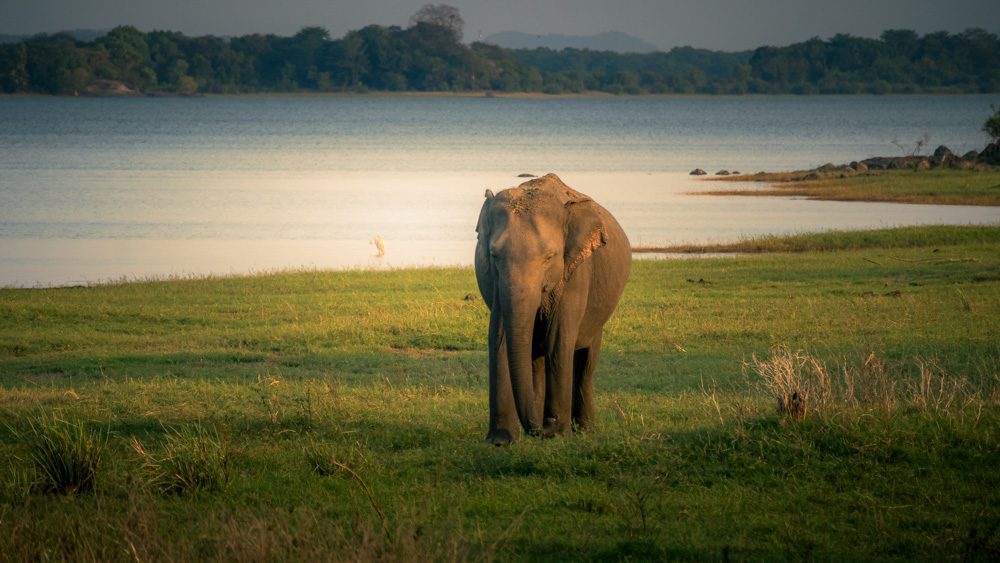
Minneriya is world-famous for “The Gathering,” where hundreds of Sri Lankan elephants congregate around the Minneriya Tank during the dry season. It is one of the best places to observe wild elephants in large herds.
From the start of our safari, we saw great herds of elephants of all ages, with calves hiding behind their parents’ legs. The matriarch leading them as they ate and drank at the water’s edge before slowly ambling past us into the trees.

Solitary bull elephants who had reached maturity at around 12-15 years old, roamed on their own. They only tend to interact with the females during mating season.
Minneriya National Park Details
- Location: North Central Province of Sri Lanka
- Best Time to Visit: June to September (dry season for “The Gathering”).
- Animals: Elephants, lots and lots of elephants!
- Don’t Miss: Watching elephants interact in their natural habitat, especially at sunset.
- Where to stay: My choices would be Aliya Resort & Spa, Jetwing Vil Uyana or try these places to stay near Minneriya.
Horton Plains National Park
A high-altitude plateau, Horton Plains is home to unique wildlife, including the sambar deer, mongeese, lizards and other reptiles and endemic bird species, perfect for birdwatchers.

Horton Plains is a different kind of safari. It is a walk/hike through the changing and beautiful landscapes. There are a range of hikes, of differing difficulties, each one sign-posted. It takes about 3 hours to walk around the whole of the national park.
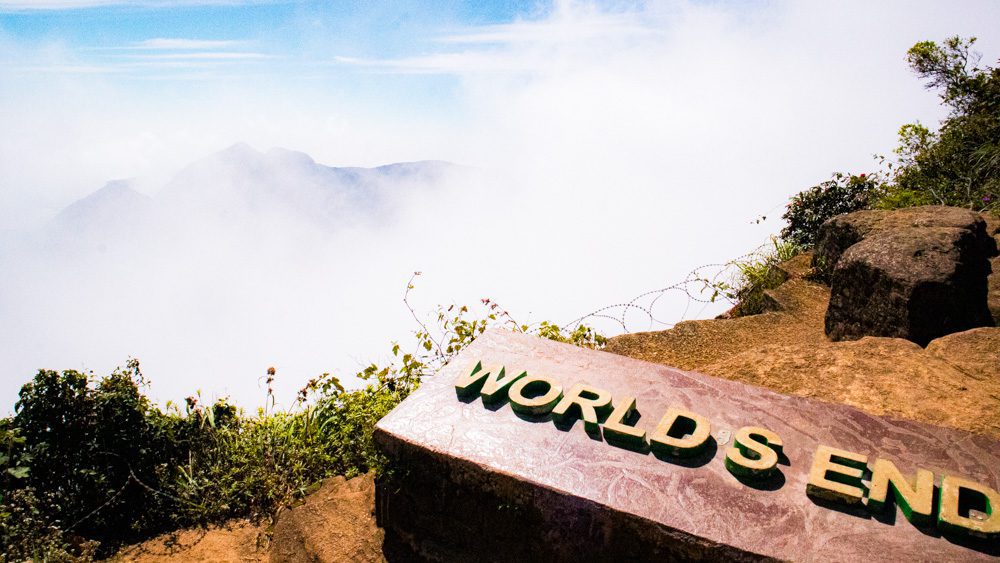
The famous World’s End viewpoint offers breathtaking views of the landscape below which you can see as the clouds clear.
Horton Plains National Park Details
- Location: Central Province, south of Nuwara Eliya
- Best Time to Visit: January to March for clear skies and better views and also go first thing in the morning.
- Animals: sambar deer, mongeese
- Don’t Miss: The hike to Baker’s Falls and the stunning World’s End viewpoint.
- Where to stay: There is no actual accommodation at the National Park, but have a look at these places to stay near Horton Plains. If you are staying in Nuwara Eliya (about an hour away) try the Jetwing St Andrews.
Other Safari Parks to consider
So far, I have covered the safaris in Sri Lanka that I have experienced. Here are a few others to consider:
- Bundala National Park – to the west of Yala; great for migratory birds
- Wasgamuwa National Park – to the south of Polonnaruwa; elephants and birdlife
- Kaudulla National Park– close to Minneriya; elephants and deer
Safaris in Sri Lanka

You can choose to go on group jeep safaris or a private tour. With a group safari, you may be in the safari jeep with people you don’t know and of different nationalities, but most safari operators have a minimum number of guests.
Having a private driver and tour guide may seem a bit of a luxury, but it does give you a bit more flexibility. You can tell them what you are hoping to see, and so they can choose the best routes to take to give you the best chance or a better chance of seeing the animals or birds you want to.
Safari drivers in Sri Lanka tend to stick to the marked routes around the parks and rarely go off-road. They keep in touch with each other and advise of sightings of animals around the park.
What time of day to book?
There are really only two options of time to book wildlife safaris in Sri Lanka: morning safaris or late afternoon safaris. Normally you are given a snack and drink during your safari.
Depending on who you have booked your safari with, you will either be picked up from your hotel or accommodation, or you will have to make your way by tuk tuk or other transport to the park entrance. You will be met by your tour guides and transfer to the safari jeeps.
Safari Etiquette
While there is no real threat of lions or other big cats attacking when you are on safari in Sri Lanka, you do still have to be careful. You are visiting wild animals in their own habitat and they can get spooked easily and get aggressive, particularly when they have young with them.
So here are a few tips for you:
- Keep yourself and your belongings inside the jeep or safari vehicle.
- Keep quiet, loud noises can scare off animals
- Take all your rubbish with you.
- Don’t wear bright clothing.
- Wear loose, comfortable clothes and shoes.
- Bring layers with you, you may need them in the early morning or the cooler evenings, or if the weather changes.
- Shoes you don’t mind getting dirty for when you get out of the vehicle for a break
- Take a hat and sunglasses you may need them when it is hot.
Things to Remember for Your Safari
- Water bottle – a Water-to-go bottle is ideal
- Bug spray
- Suncream – even though you in a vehicle, the sun can still get you
- Binoculars (if you have them)
- Camera (don’t forget to take a zoom lens with you if you have one, some of the animals and birds can be a bit elusive!
- If you are a bird enthusiast, I would highly recommend downloading the Merlin Bird ID app (available for both iPhone and Android). You can log the birds you take photos of, work out what bird sounds you hear, or identify them by what they look like.
Tipping
Do you tip or don’t you? It is not mandatory, but it is seen as polite to tip your tour guide and driver. How much you tip is up to you, there doesn’t seem to be a fixed amount or percentage.
Other Animal Experiences
You don’t just have to go on a safari to see animals in Sri Lanka. I have seen many elephants by the side of the road and crocodiles and deer by the riverbanks. Be careful as they are still wild and can be unpredictable, especially when they have young with them.
Marine Life

If you prefer looking for marine life, try a boat safari out into the Indian Ocean off the coast. If you are lucky not only will you see spinner dolphins, but maybe blue whales, the largest animal in Sri Lanka, and possibly the smaller sperm whales.
The best places to see blue whales in Sri Lanka are in Mirissa or Dondra on the south coast between December and April, or Trincomalee on the East Coast from May to October.
You can also snorkel to see tropical fish and swim with the occasional turtle (try Unawatuna Beach, Turtle Bay, or Rekawa on the south coast, or Pigeon Island National Park on the east coast.)
Udawalawa Elephants Transit Home

The Elephant Transit Home in Udawalawe National Park is a rehabilitation centre for orphaned baby elephants. There are around 40 to 60 calves at the Transit Home. Visitors can watch them being fed at one of the four daily feeding session.
As they are being rehabilitated to return to the wild, interaction with humans is kept to a minimum, so no touching or washing of the calves. However the elephants are never chained and are free to wander about.
Session Duration: 1Hour
Best Time: All Year Around
Feeding Times: 9.00am, noon, 3.00pm and 6.00pm
Sea Turtle Hatchery & Rescue Centre

On the south coast A2 road near Hikkaduwa, is the Sea Turtle Hatchery and Rescue Centre. The centre aims to help injured turtles as well as provide a safe place for egg laying.
There are a series of tanks for the baby turtles and they move between as they grow. In a protected area, you can see all the little mounds of sand which mark where adult turtles have laid eggs.
You may see Olive Ridley Turtles, Leatherback Turtles, Loggerhead Turtles, Hawksbill Turtles, or Green Turtles. Most of these are endangered species, and the centre helps protect them.
Final Thoughts
I often get asked which is the best safari in Sri Lanka. That is such a difficult question to answer. I have loved all the Sri Lankan safaris I have been on, and each one has been a different experience.
My highlights have been my first leopard sighting in Yala: a family of elephants taking water in Udawalawe and the colourful birdlife everywhere.
Sri Lanka’s diverse wildlife destinations offer unforgettable experiences for nature lovers. Whether you’re hoping to spot leopards, elephants, or rare birds, Sri Lanka’s national parks and nature reserves have something special to offer.
Which of the safaris in Sri Lanka would you like to go on? Any animals you would like to see? Share your thoughts or questions in the comments below — I’d love to hear from you!
Map of Best Safaris in Sri Lanka
Use these Sri Lanka Travel Tips to plan your adventure!
- Plan your trip with these Sri Lanka Travel Guides.
- Take a guided tour with one of G Adventures Sri Lanka trips
- Get the best deals on flights with Skyscanner.
- Find the perfect place to stay in Sri Lanka on Booking.com.
- Buy your e-sim before you go with Airalo.
- Explore more about Sri Lanka with local experiences.
- Don’t forget to arrange your travel insurance.
Like this post? Pin it for Later