
Tuscany is often defined by its rolling hills lined with cypress trees, endless vineyards and olive groves, Renaissance cities, art history and amazing food – but look a little closer, and you will discover something far more enduring: the Artisans of Tuscany.
Tuscany is a region shaped not just by landscapes, but by hands, by generations, by skills and passion.
*This site uses affiliate links and I may earn a small commission when you use my links and make a purchase without incurring an additional fee yourself.
Thank you for supporting this website. See my disclaimer page for more details.
As a tourist, it is easy to look at a souvenir and not realise the time and effort that has gone into making it, or to choose something we think might be authentic, just because it is cheap. If you take time to seek out the artisans, you will find a wealth of beautiful keepsakes from Tuscany to treasure.
From intricately painted ceramics or hand-blown crystalware to hand-stitched leather and delicate filigree jewellery, Tuscany’s artisan traditions are woven into everyday life, passed down through generations with quiet pride. For travellers seeking something deeper than sightseeing, this is where Tuscany truly reveals itself.
A special thank you to Clara, Michaela and the team at Toscana Promozione and VisitTuscany for hosting me during my trip in Florence. However, all opinions expressed are entirely my own.
In this guide, we’ll explore the region’s most captivating craft traditions, where to find them, and how to build them into a slower, more meaningful itinerary.
Why The Artisans in Tuscany Matter
In an age of mass production, Tuscany remains one of the places in Italy where craftsmanship still thrives.
Here, artistry is not a performance for tourists; it’s a way of life.
Visiting artisan workshops allows you to:
- Connect with local culture on a deeper level
- Support traditional skills and small businesses
- Take home something meaningful, not mass-produced and sometimes unique
- Experience Tuscany beyond the usual highlights
This is exactly the kind of travel that lingers long after you’ve returned home, when you pick up an item and savour the generations behind its history.
The Artisan Traditions of Tuscany
Costume and Fashion: Florence

A walk through history is not complete without the changing fashions of the day. The Museum of Costume and Fashion in the Palazzina della Meridiana next to the southern wing of Pitti Palace on the south bank of the Arno in Florence.
The museum was founded in 1983, and on display are antique costumes, shoes and accessories dating through the years, from contemporary items back through the ages. 18th-, 17th-, and even 16th centuries fashions are on show behind glass to protect them. As they are so delicate, they are rotated regularly to limit degradation. Also, you will find the rooms are darker to prevent fading of the colours.
It is amazing to see the funeral clothes of such famous Florentine residents like Cosimo I de’ Medici, Eleanor of Toledo and their son Garzia de’ Medici. The dainty, heavily embroidered shoes and the ever-changing necklines and widths of skirts (some so wide that a lady would have to walk sideways into the room).
As you progress through the exhibition and come to more modern items, costumes from stage and screen are displayed along with the jewellery, bags and shoes worn.
It fascinating look at costume and the contribution that Florence, Tuscany and Italy have made to the world of fashion through the centuries.
Silk: Florence

Silk has been part of the fabric of Florence from the 11th century, when Catholic missionaries brought silk worms back from the Far East.
Enter the Antico Setificio Fiorentino, and you step into a world of silk, one of the most luxurious fabrics. The silk workshop is one of the last remaining in the world.
The air is filled with the click-clack of the antique wooden machines, some dating back to the 18th century, as coloured bobbins slide back and forward, with the pedals moving the wefts and warps as the tantalising inches of beautiful patterned silk appear.
The designs are on punched cards, fed into the machines, each space giving instructions for the colour variations. They are marked for the different designers and designs. International interior designers and architects instruct Antico Setificio Fiorentino with their own designs.
Dolce & Gabbana, Luisa Via Roma and Maison Stefano Ricci are just some of the clients who use the sumptuous silks to adorn hotels, restaurants, salons, yachts and even, in the case of D&G, a fashion show.

A guided tour around the workshops is absorbing. You can book an experience at the Antico Setificio Fiorentino, either a guided tour, produce a fringe, pot pourri bag, or you can become a weaver for the day, and learn the ancient techniques.
Leather Craftsmanship: Florence

In Florence, leatherwork is an art form. Walk through the Oltrarno district, and you’ll find some of Florence’s leather workshops where artisans cut, dye, and stitch leather by hand — techniques that have barely changed in centuries.
A short walk from the entrance to the Santa Croce, on Via San Giuseppe is the Scuola del Cuoio. Students from around the world learn the skills to master the craft of leatherworking.

Since the 13th century, the area around the Basilica of Santa Croce has been associated with tanneries and leatherwork, due to the proximity to the Arno River. After World War II, the Gori and Casini families collaborated with the Franciscan friars to set up the school to teach the war’s orphans a trade. The old dormitory space was turned into for the school with the corridors used for the workbenches.

Nowadays, the school’s artisan workshops are on the ground floor, large benches where the students work, chosing from many rolls of different leather types and colours.
Above is the shop where you can buy some of the beautifully constructed leather goods, leading into the long vaulted corridors, lined with workbenches. You can watch the artisans tooling the leather and gilding personalised items, and there are small boutiques and workshops in the old dormitories off the corridor.

Florentine leather is known for its durability, rich, natural tones and timeless designs. Be mindful of mass-produced goods in markets — the real magic lies in independent ateliers.
Address: Via San Giuseppe 5R, 50122 Firenze
Website: https://scuoladelcuoio.it/en/
Goldsmiths and Jewellery: Ponte Vecchio, Florence

The iconic Ponte Vecchio is more than just a photogenic landmark – it has been home to goldsmiths since the 16th century.
Once the domain of butchers and tanners, in 1593, Grand Duke Ferdinando I de’ Medici’s decree evicted them out and elevated the bridge to house jewellers and goldsmiths.
While there are several shops which now cater to visitors, many of the jewellery shops have been passed down through the generations. You can still find skilled master artisans and jewellers creating handcrafted pieces using traditional techniques and intricate designs.
Fratelli Piccini at 23 Ponte Vecchio was opened by Pirro Piccini in 1903, beginning a journey into fine jewellery that would endure for generations. His great-granddaughter, Elisa Tozzi Piccini, the fourth generations of jewellers in the family now leads with a style that blends contemporary and tradtional designs.

Delicate filigree rings sit alongside bolder aquamarine, opal, malachite or lapis lazuli designs, enamelled flowers adorn earrings, rings and necklaces. If you are looking for an investment piece of jewellery, you will be spoilt for choice.
Crystalware: Colle Val d’Elsa
Crystal is quite different from glass. Not only is the composition different, with crystal having minerals like zinc, lead oxide or barium, which makes it heavier. Crystal can be blown and modelled much thinner, giving crystal glasses a finer rim and a brilliance that plain glass just does not have.
Colle Val d’Elsa is one of Tuscany’s hidden gems, just south of Florence, has been the capital of Italian crystal for over 800 years, contributing to 95% of Italy’s and a whopping 15% of the world’s crystalware.
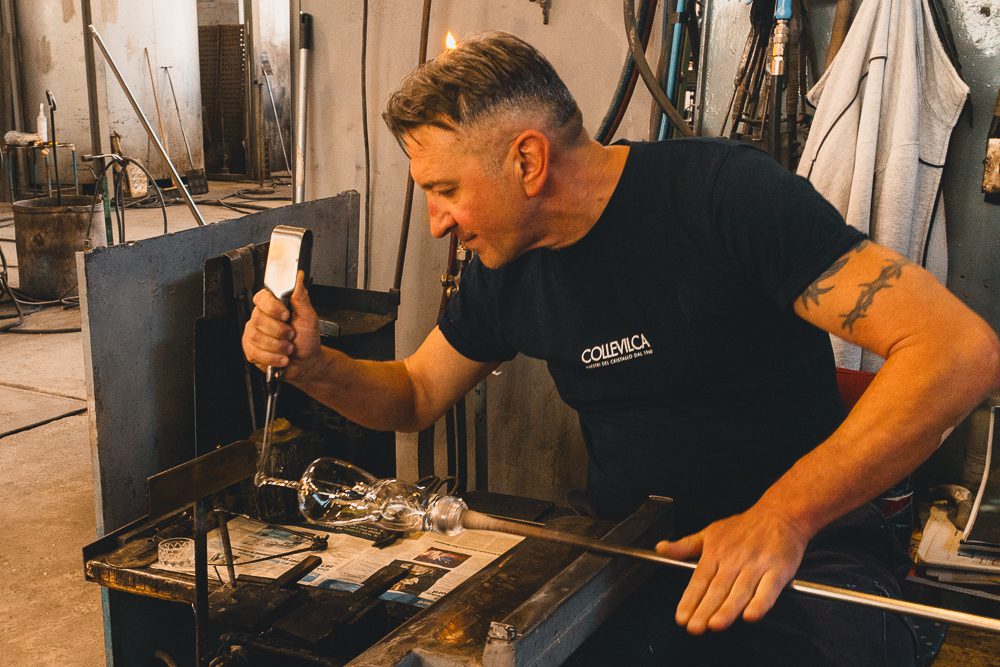
Walking into the light and airy museum and showroom area of Collevilca in Colle di Val d’Elsa, you are surrounded by crystal. From elegant wine glasses, stunning bowls and vases to delicate animals made out of crystal, the light bounces off each piece.

But behind the showroom is where the magic happens. A factory visit gives you a fascinating view into the making of the crystalware. Master Craftsman, Giampiero Brogi, opens the two heavy doors to reveal the workshop.

Furnaces with temperatures of 2,100°F and 2,550°F keep the molten raw materials in a fluid, malleable state. Watch as the glass blowers transform the molten glass into delicate glasses, small phials, crystal animals and more. It truly unique experience to watch these skilled artisans at work.
The factory visits only take place in the mornings, from 8:30 am to 12:30 pm, Monday to Friday, but the showroom is also open from 2:30 pm to 6:00 pm.
Address: Collevilca, Loc Sa Marziale 24, 53034, Cille di Val d’Elsa
Website: https://www.collevilca.it/
Crystal Museum: Colle di Val d’Elsa
In the centre of the town of Colle di Val d’Elsa, the Crystal Museum is a fascinating insight into the traditional methods of this ancient craft.

The modern building was built within the old furnaces of the Schmidt Crystal and Glassworks and follows the history of crystal with examples dating back to pre-industrial 14th and 15th century items.
On display are not just the everyday household items, but more intricate crystalware. The museum follows the different shapes that glassware took over the years, and is an absorbing way to follow the history of crystal.
Address: Via dei Fossi, 8 (ex area Boschi), 53034 Colle di Val d’Elsa
Website:https://www.museisenesi.org/en/museo/the-crystal-museum/
Ceramics: Montelupo Fiorentino
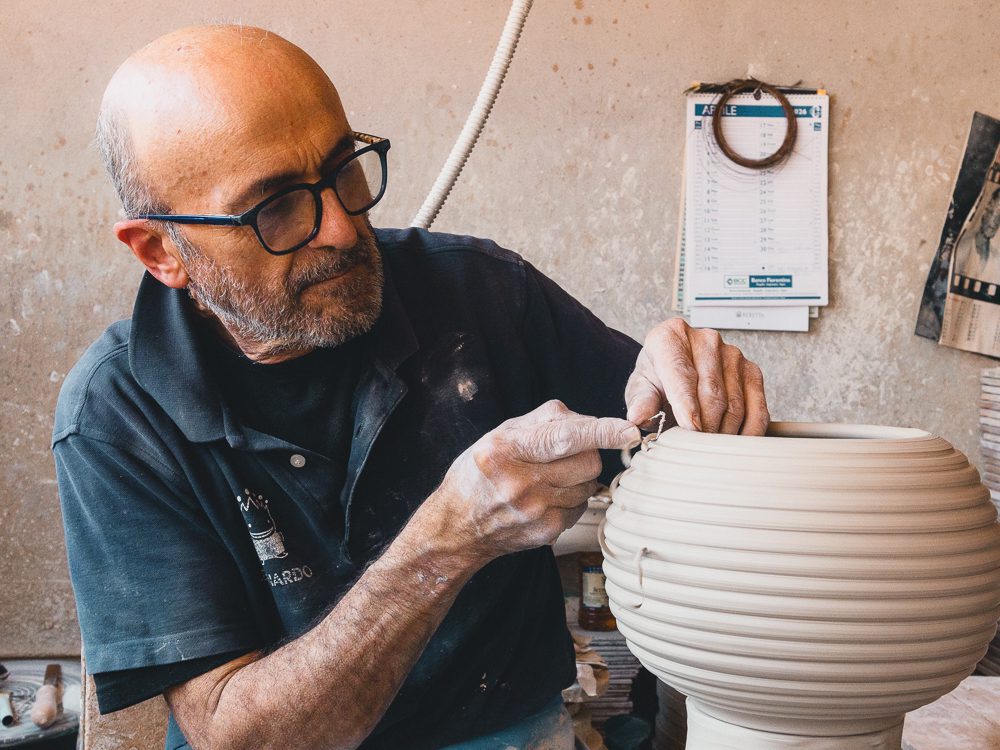
If you have been driving around Tuscany, you may have been lured by the terracotta pots displayed by the side of the road. From basic terracotta pots to flamboyant ceramic vases adorned with hand-painted poppies, lemons or local scenes, Montelupo Fiorentino is one of the best places to explore one of the traditional Italian crafts.

The town of Montelupo Fiorentino, about 20 km south of Florence, has been at the heart of ceramic production since the Renaissance in the late 14th century.
Once supplying pottery and ceramics to the powerful Medici family, this small town developed a distinctive style of brightly coloured majolica pottery that became known across Europe.

Ceramics in Montelupo Fiorentino is an institution. At the internationally renowned Scuola di Ceramica, the new generation of pottery designers are taught traditional techniques like throwing and coiling alongside more modern 3D-printed ceramics.

During a visit to the town, you can
- Visit working artisan studios and see the local artisans throwing pots, like Terrecotte Corradini e Rina in Via Tosco Romagnola Nord and see their fusion of terracotta and leather.
- Watch artisans pay meticulous attention to the intricate patterns on their designs, while surrounded by shelves of hand-painted ceramics. – contact Ceramiche I.M.A in Via Tosco Romagnola, for a workshop tour.
- Select a souvenir from the hundreds of different ceramics on offer; traditional or contemporary designs, there is something for every taste
- Learn about the town’s ceramic and pottery design legacy at the Bitossi Archive.
- Explore the Museo della Ceramica di Montelupo and trace the history of the town and ceramics
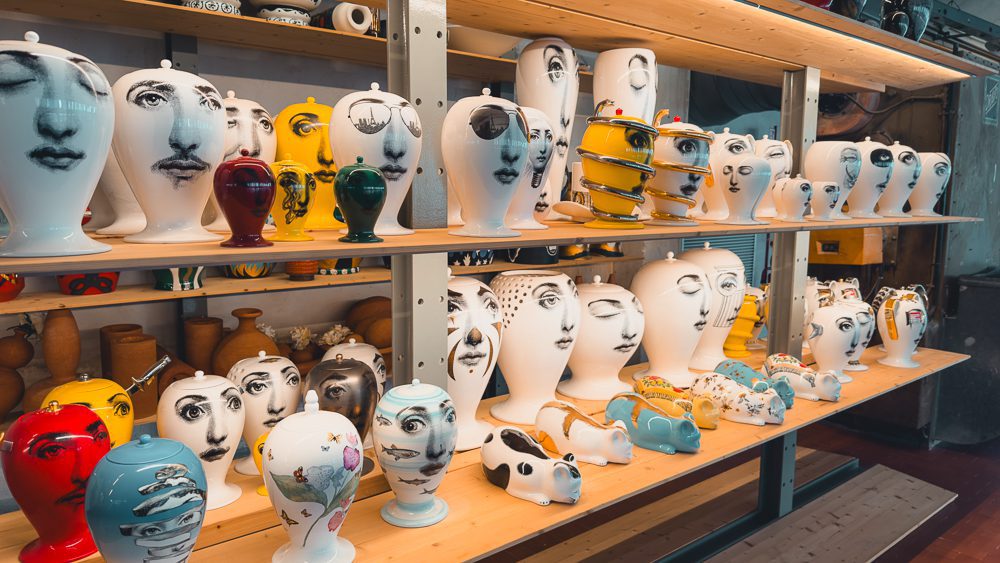
Don’t miss: The best restaurant is in the Museo della Ceramica di Montelupo
Straw Hat Museum: Signa
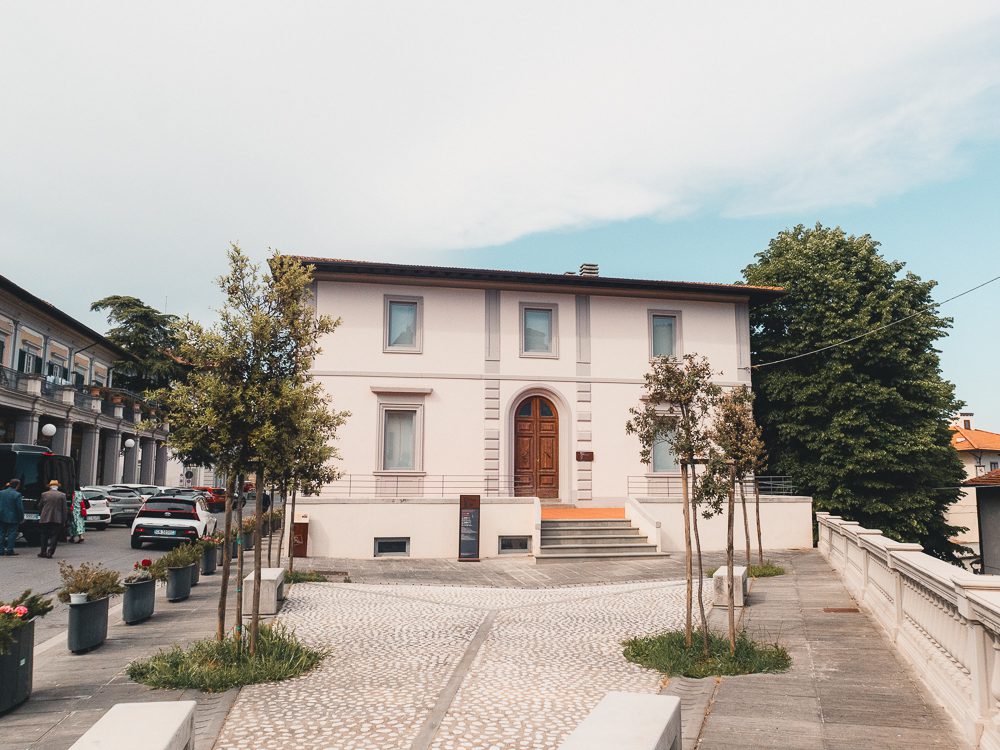
You may be forgiven for thinking that a hat is just a hat, but in Signa, there is so much more to hat-making. In fact, in this little town, there is even a Museo Civico della Paglia (Civic Straw Museum), celebrating the straw hat industry.
Starting simply as a way of protecting workers’ heads when they were toiling in the fields in the 14th century, the straw hats of Florence developed over the centuries. In the early 18th century, Domenico Michelacci started producing straw on a much larger scale.
Signa was the epicentre of straw hat production until the 1950s. The museum celebrates the evolution of the design of the straw hats from the simple workers’ hat to the extravagant creations by designers like Prada, Gucci and Salvatore Ferragamo.

Directly in front of you as you walk in is a large terracotta sculpture by Bruno Catarzi, with a canopy of hats hanging from the ceiling. Through the museum, you will find examples of the original equipment, braids, forms for shaping hats and a variety of the hats produced. The walls are lined with a gallery of black and white photos, including an amazing one showing the courtyard filled with straw hats.
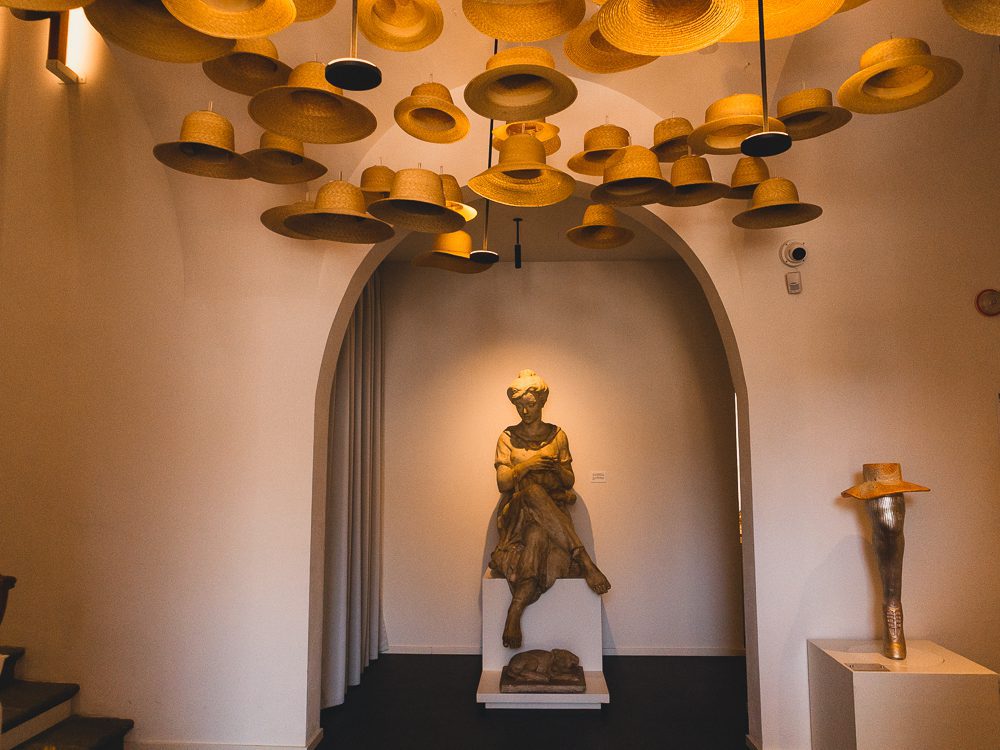
It is a quirky museum, but well worth a diversion, even just to buy yourself a hat in the museum shop.
Address: Museo Civico della Paglia, Viale Giuseppe Mazzini, 50058 Signa
Modern Day Hats with a History – Catarzi 1910 – Signa
One of the most famous Italian hat factories is also based in Signa. The family-run Filippo Catarzi hat factory produced an amazing range of hats, bags and accessories in straw, wool, felt, raffia, leather and fabric.

Founded in 1910 in Signa, Italy, by the Catarzi family, and passed down through the generations. I was lucky enough to have a tour around the factory, and it was amazing to watch as the talented workers take the long braid of straw and quickly spin it round while deftly sewing to create a hat!
While the factory is not open to the public, you can buy some of the stunning creations at Catarzi 1910.
The Edible Artisans of Tuscany

Craftsmanship in Tuscany is not confined to leather workshops, pottery studios and centuries-old looms. Some of the region’s most enduring traditions are found in its kitchens, vineyards, olive groves and small family-run food businesses, where recipes, techniques and knowledge have been handed down through generations.
Food and drink here are as much a part of Tuscany’s cultural heritage as its Renaissance art and medieval towns. The emphasis is often on simplicity: excellent local ingredients, time-honoured methods and an understanding that good food should reflect the landscape it comes from.
Look out for freshly made pasta, Chianti wines and Vin Santo, fresh pecorino cheeses, charcuterie as well as crisp almond Cantucci.
How to Experience Artisan Tuscany
MIDA – International Crafts Exhibition April/May

If you are visiting Florence between April and May, try to visit MIDA in Fortezza da Basso. It is Italy’s oldest international crafts exhibition featuring both Italian and international crafts people.
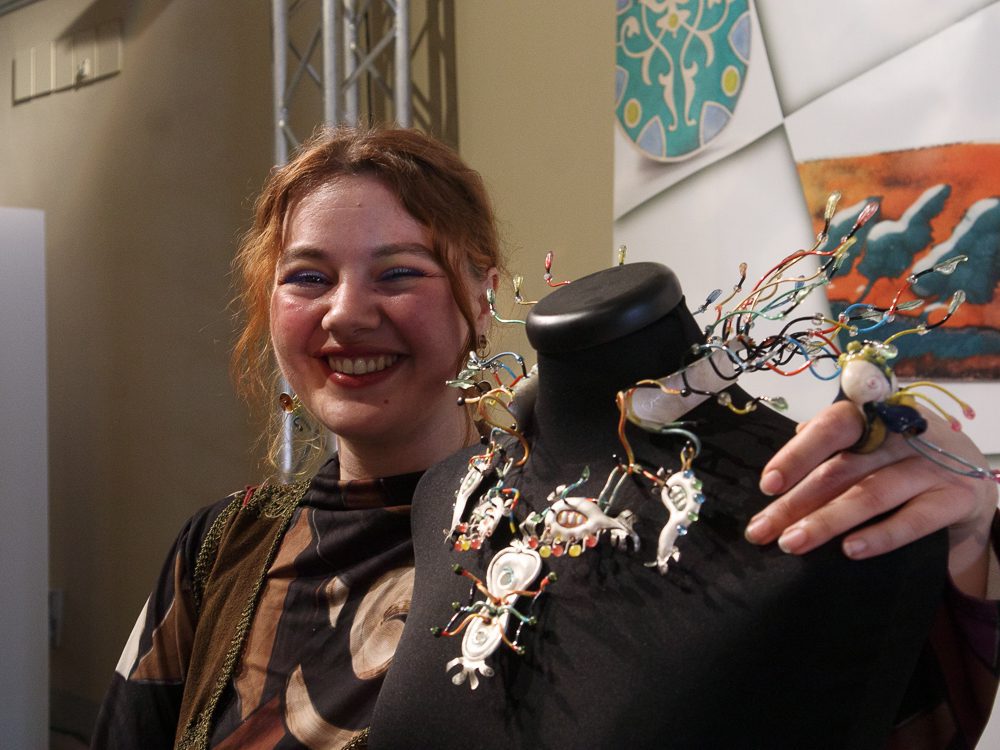
A blend of tradition and innovation, you get to interact with professional artists as well as the next generation of up-and-coming designers.
Visit Craft Workshops and Studios
Seek out:
- small, independent ateliers
- local artists
- family-run businesses
- places where you can see the craft in action
- take one of the artisan walking tours on offer
A simple conversation with an artisan can often become the highlight of your trip and give you a unique glimpse behind the art.
Take a Class or Workshop
Many artisans offer hands-on classes and it is one of the best ways to have a cultural experience:
- pottery painting
- leather crafting
- cooking classes
- wine tasting
These are perfect for travellers who want to engage in a more immersive way.
Explore Beyond the Cities
While Florence is a hub, some of the most authentic experiences lie in small towns like Montelupo Fiorentino, Signa or Carrara.
Slow down, venture out, and allow time for discovery.
Planning Your Artisan Tuscany Itinerary
Day Trip Ideas from Florence
Use Florence as your base and explore:
- Colle Val d’Elsa (crystal)
- Montelupo Fiorentino (ceramics)
- Prato (textiles)
- Pisa & Lucca (combine with artisan stops)
- Carrara marble
Self-Drive Route
A car allows you to:
- visit rural workshops
- combine multiple artisan destinations
- explore at your own pace
- bring back larger pieces which are difficult to carry on public transport!
Slow Travel Approach
Rather than rushing:
- spend longer in fewer places
- book local experiences
- Prioritise quality over quantity
Tips for Buying Authentic Artisan Products
Look for:
- handmade imperfections (a good thing!)
- signed pieces
- visible craftsmanship
- the artist demonstrating their skill in front of you
Be cautious of:
- mass-produced goods marketed as “artisan”
- overly cheap prices
- generic designs, garish colours and bad spelling!
Top Tip:
If possible, buy directly from the maker — it adds meaning to the piece and supports local traditions.
When to Visit the Artisans of Tuscany
- Spring (April–June): Ideal weather, festivals begin, MIDA
- Autumn (September–October): Harvest season, rich colours
- Summer: Busy, sometimes too busy, but lively (especially for festivals)
- Winter: Quieter, more intimate experiences, but great for Christmas presents!
Why This Matters More Than Ever
Artisan traditions are under pressure from globalisation and fast production.
By choosing to visit workshops, buy handmade goods, and engage with local makers, you are helping to preserve something truly special.
This is travel with purpose — and it’s deeply rewarding.
Final Thoughts
Tuscany will always be beautiful.
But beyond the vineyards and famous skylines lies something far more meaningful — a region shaped by creativity, patience, and skill.
From the ceramics of Montelupo Fiorentino to the marble of Carrara and the leather workshops of Florence, artisan Tuscany offers a richer, more connected way to travel.
If you’re ready to slow down, look closer, and experience Tuscany through the hands of its makers, you may just discover a side of Italy that stays with you forever.
Have you travelled to Tuscany or planning a trip soon? Did you bring back any souvenirs? Share your thoughts or questions in the comments below — I’d love to hear from you!
Save this post for later


