
I am a bit of a techie at heart and love having the latest gadgets to play with. In 2018, I bought my first drone, a Mavic Pro – yes, the original one!
In 2019, I qualified as a fully qualified CAA PfCO Drone Pilot, but since then, the qualifications have been superseded by the A2CofC.
*This site uses affiliate links and I may earn a small commission when you use my links and make a purchase without incurring an additional fee yourself.
Thank you for supporting this website. See my disclaimer page for more details.
Since then, my drone kit has changed quite a bit, becoming leaner as I hone my craft and drones evolve. My go-to drone maker is DJI, and all my drones so far have been made by them.
I often get questions about what drones and bits and pieces I recommend for a drone kit and what I use when I fly my drone commercially and recreationally.
I have a box full of bits for my drone, which I take with me if I am going on a shoot in the UK. If I am just flying recreationally, I don’t use everything, and if I am going abroad, I don’t take much with me. So without further ado, here are the things I keep in my drone box:
My A2CofC Qualification
I get this question a lot: “As a travel blogger, why did you get qualified as a drone pilot?” Well, the simple answer is that if I want to be paid for any drone photos or footage, I need to have an A2CofC from the CAA. This means that when I can put together packages for brands, I can now include drone images and film.
I can also pick up other paid drone work; I have been approached about doing some archaeological surveying, real estate and promotional videos. I carry a laminated copy of my A2CofC, just in case I need to show it.
EASA
Alongside my A2CofC, I am also qualified to fly in Europe. I took my EASA qualification several years ago and keep it up to date. This means that I can legally fly in Europe.
Insurance
An essential to have, whether you are a commercial or recreational drone pilot, is insurance. I use Coverdrone and have worldwide coverage.
I highly recommend Coverdrone! I had to make a claim when I had a flyaway in Mauritius (see above) and they were excellent and resolved my claim quickly and without any fuss.
My Drone Kit
DJI Mini 5 Pro Fly More Combo

The drone you fly really depends on your budget and what you aim to do with it. Drones come in many sizes, from the tiny DJI Lito up to the way more advanced Inspire II and all the others in between.
I currently have a DJI Mini 5 Pro Fly More Combo which is ideal for me as it is small, light but also powerful enough to give me the great shots and videos I am after. I travel a lot so I can pop it into my hand luggage normally without any issues. (see my post on airline rules for drones).
I started off with the DJI Mini, and have had each one all the way up to the current DJi Mini 5.
I bought the DJI Mini 5 Pro Fly More Combo which came with a remote controller, extra propellers, three intelligent flight batteries, a battery charging hub and a shoulder bag.
Now, I know there are plenty more drones out there, but I have to say I love my Mini!
Spare Propellers
It is always useful to carry spare blades or propellers with you. You may find that there is a nick in one when you are doing your pre-flight checking (you do pre-flight checks don’t you?) or you hit something while you are out flying and damage them, so it is handy to have extra propellers so you can still fly.
Most DJI combos come with spare propellers.
Spare Batteries
Whenever I am filming, I carry three fully charged batteries with me, which gives me around 80-90 minutes of flying time. if I run them down to the last drop of juice.
However, I do tend to change batteries when they have about 25-30% of life left, just in case there is a fly-away or another issue with the drone.
I did have a fly-away with battery life of 50% when I was flying into the wind in Mauritius. It was an expensive and painful lesson to learn, as I lost my DJI Air 2 into the middle of a field of very prickly thorn bushes.
LiPo Bags
I keep my batteries in LiPo bags unless I am charging them or using them to fly. LiPo bags are fire-retardant or fire-resistant pouches which reduce the risk of damage in case of fire.
Also, when I travel it is a requirement of most airlines that drone batteries are kept in LiPo bags and in your hand luggage, NEVER in your hold luggage.
SD Cards & Adapters
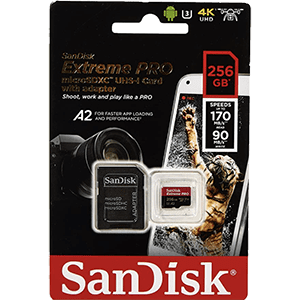
There are a lot of SD cards on the market and you will need micro SD cards for your DJI drone preferably 64Gb XC1 ones. I prefer the SanDisk 64Gb XC1.
I keep my drone SD cards separate from my other SD cards in a waterproof holder with my card adapter so that I can quickly see my footage on my Mini.
Oh, and don’t forget to actually put the card in your drone… yes, I have been guilty of this!
YOU MIGHT ALSO LIKE: Can I take my drone on a plane?
ND Filters
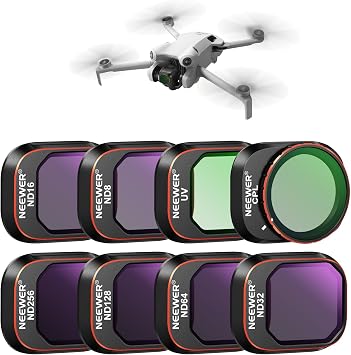
ND or Neutral Density Filters are either attached to the front of the camera and directly affect light as it passes through the filters and enter the lens and hits the sensors.
Look out for the NEEWER ND and CPL Filter Set which has 6 filters: ND4, ND8, ND16, ND4/PL, ND8/PL, ND16/PL.
Lights for flying at night


I haven’t done any night flying yet, but in my Operations Manual, I am qualified to fly in the dark. I do have an attachable light for my drone, but I will be upgrading to Lume Cube lighting system which is more powerful and will allow me to take better shots.
Safety
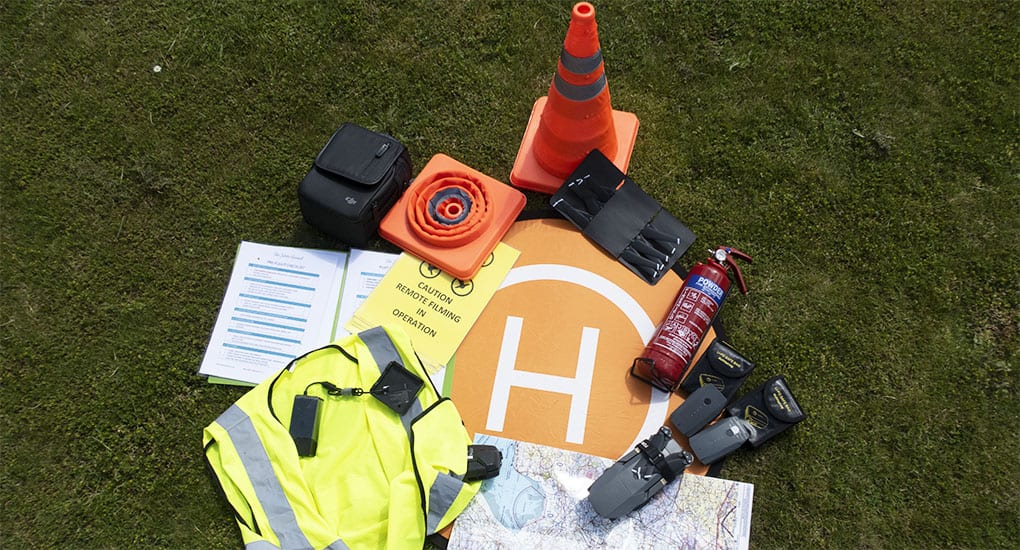
Hi-Viz Vest or Jacket


It is not essential to wear a hi-viz vest or jacket, but I find that people are less likely to approach you if you look official. When I first started wearing my hi-viz vest, I was a bit embarrassed, but the more I wore it, the more comfortable I became wearing it.
Pop-up Cones


Where possible, I try to cone off my take-off and landing area to protect people from my drone (and my drone from people!). They can also be used to define areas that are out of bounds to the public. I use pop-up cones which are weighted at the bottom, so won’t fall over, but are still light enough to carry around.
Drone Landing Pad


Sometimes the ground you are taking off from is not smooth and it helps to have a portable drone landing pad so your take-offs and landing don’t damage your drone. It folds up really neatly and I can slip it in my luggage to take on trips abroad with me.
If I can’t use the landing pad, I take off and catch from my hand. It is a skill worth learning.
Powder Fire Extinguisher


Yes, I am the proud owner of a powder fire extinguisher! Not my sexiest bit of kit, but I keep it handy in case of a battery fire. It is worth keeping one close to where you charge your drone batteries, just in case.
First Aid Kit
It is always useful to have a first aid kit handy, plasters, bandages, safety pins, you never know when they are going to be useful!
Anemometer


An Anemometer is a handy little bit of kit to have around, measuring wind speed and temperature where you are. It gives a digital reading of how fast the wind is gusting and the current temperature.
Checklists and Logs
I carry with me laminated copies of my pre- and post-flight checklists as well as my battery, flight time and other logs. Along with Risk Assessments and Site Assessments, these are essential if you are doing a commercial shoot, but it is also good practice if you are just flying for fun to keep track of your battery life.
I fill in my logs for every flight, so that I can track my usage of my batteries, how many hours flying I have done and if my drone has any issues.
Those Little Extras in my Drone Kit
Straps


I find that when I am putting my drone in its bag, I catch the propellers, so I bought some straps which keep them in place.
In-Car Charger
Having an in-car charger for my drone batteries helps if I need some more battery juice when I am out. However, I never leave the battery charging on its own, I am always there with it.
Save this post for later

I myself am a Drone enthusiast as I have a Phantom 4 and a Spark. I have been studying for my Drone Commercial License
Great news Randy, are you sitting your 107? Good luck with it!